The afternoon heat finally breaks, and the air shifts. The sun dips lower, painting the dry grass in shades of liquid amber, as a cool, soft breeze moves across a wide, beautifully proportioned deck. It is the kind of space perfected by John Jacob Interiors—where architecture and nature blur.
Wrapped in a heavy, textured wool blanket, you watch a family of elephants move silently across the horizon. Time slows to a crawl. There is an overwhelming sense of space, an absolute quiet that cleanses your mind, and a deep, grounding comfort in every single thing you touch—from the raw, rough-hewn timber column behind you to the smooth, cool stone underfoot.
It’s an experience that leaves a permanent mark on you. But all too often, the moment you step back through your own front door, that profound stillness begins to fade, replaced by the clutter and pace of everyday life.
How do you stop that from happening? How do you build a permanent bridge between the transformative, uncluttered magic of travel and the spaces you wake up in every single day?
The answer lies in understanding that an exceptional safari lodge isn’t a collection of animal prints and rustic souvenirs. It is a masterclass in atmosphere. And when it comes to bringing that exact feeling across the ocean and into a modern home, there is one designer who stands as a non-negotiable anchor for your inspiration: John Jacob Zwiegelaar of John Jacob Interiors.
He is the undisputed master of what we call the “sophisticated safari lodge aesthetic”—a way of designing that is understated, deeply tactile, flawlessly tailored, and profoundly high-end.
The Art of the Narrative Space
John Jacob doesn’t just arrange furniture; he creates spaces that feel like a continuous story. Often described as the “Tom Ford of interiors,” his design house has spent over two decades crafting environments that balance classic, architectural weight with a breezy, contemporary freshness.
If you look closely at the world’s most exclusive bush sanctuaries—places where privacy is the ultimate luxury and nature dictates the architecture—you will see a striking alignment with John’s personal philosophy. He has long credited places like Singita Lebombo for their brilliant handling of contemporary African style. It is a style that sheds the old, heavy, dark-wood clichés of 19th-century exploration and instead embraces light, air, and the raw poetry of natural materials.
To bridge the gap between your travels and your home, you have to look past the surface decorations. You have to look at the bones of the room, the way light hits a corner, and how textures interact.
Let’s break down the essential elements of John Jacob’s signature look, and explore how you can use these principles to keep the spirit of the wild alive in your own space.
Trust in Tone over Trend: The Power of Subtle Contrast
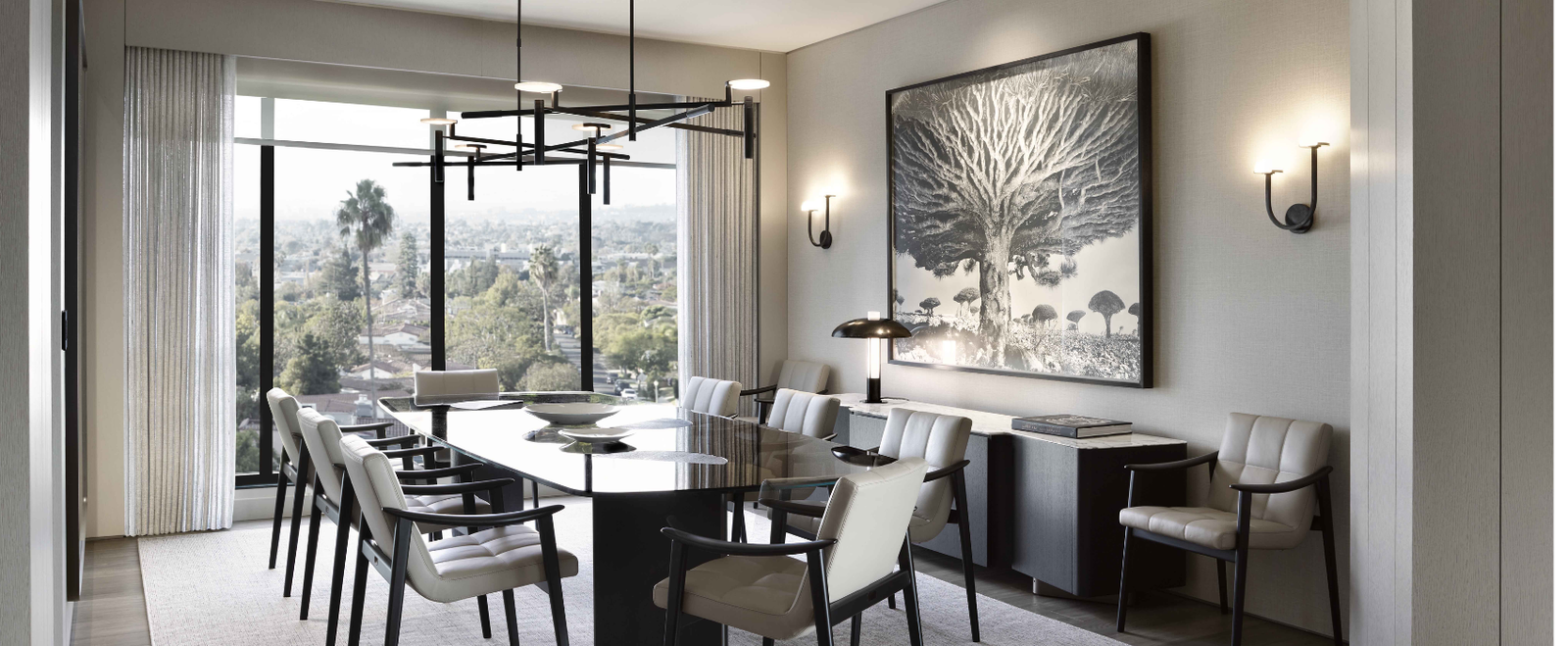
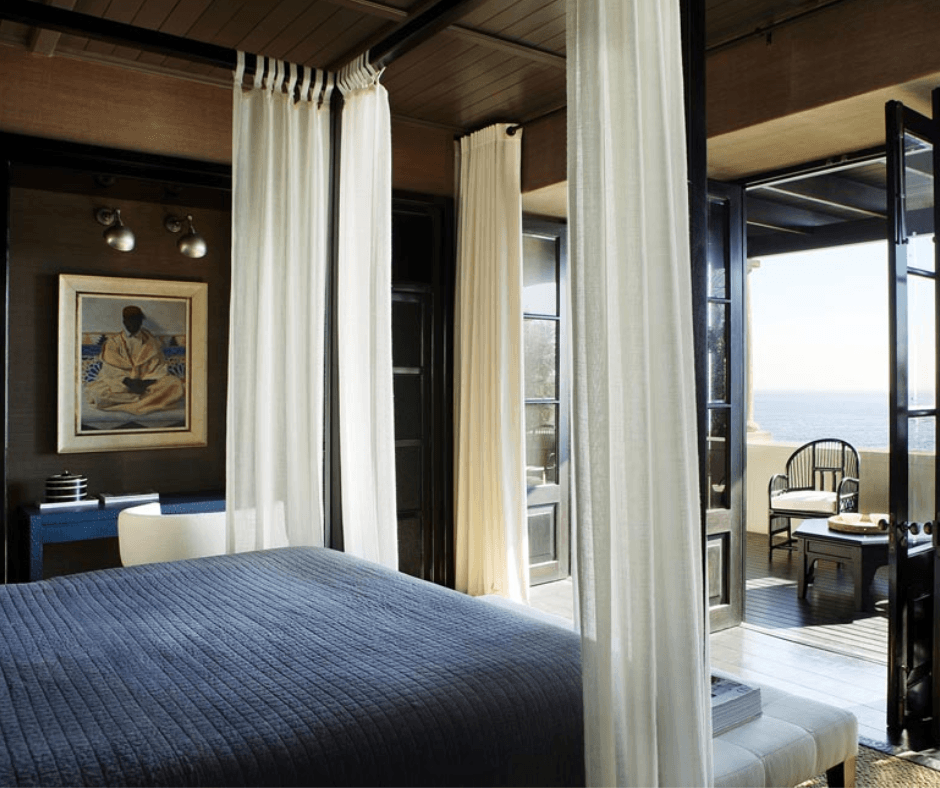
Many people assume that to create an African-inspired space, you need a warm palette of terracotta, deep orange, and muddy browns. John Jacob turns that idea on its head. His signature spaces are celebrated for their breathtaking use of monochromatic, muted tones: espresso, ash, charcoal, coal, cloud, and smoke.
Think about the landscape of Africa after a bushfire, or the silver-grey bark of an ancient baobab tree against a pale morning sky. There is immense drama in these quiet palettes. By keeping the colors restrained and focusing on high-contrast neutrals—like a crisp linen slipcovered sofa set against a dark, dramatic wall—the room instantly feels calmer.
When your eyes aren’t jumping from one bright color to another, your brain relaxes. The space opens up, mimicking that boundless, airy freedom of a wide-open savannah.
Let Tactility Do the Talking
“Amazing spaces are not achieved with objects,” John Jacob famously notes. “They are created with a focus on bespoke architectural details and proportions.”
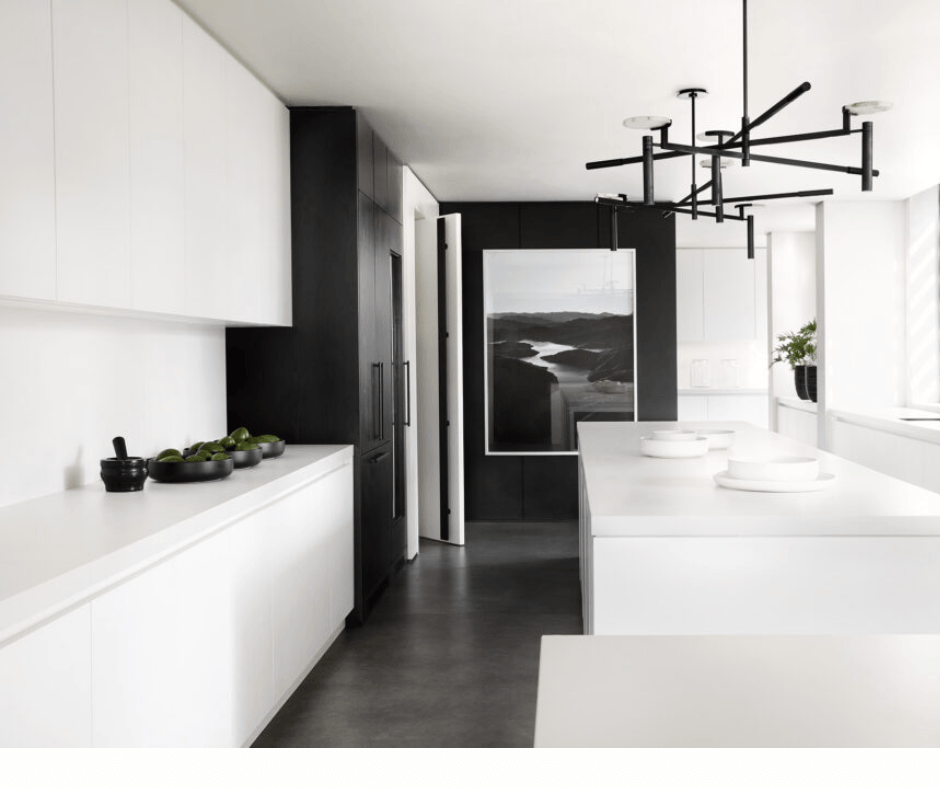
When you strip away unnecessary clutter, the items that remain have to carry real weight. They need to demand a sensory reaction. This is where tactility becomes your primary design tool.
To bring the safari lodge feeling home, look for elements that feel alive when you touch them:
- The Weight of Linen: Heavy-weave, unrefined linens that drape effortlessly, getting softer and more full of character with every wash.
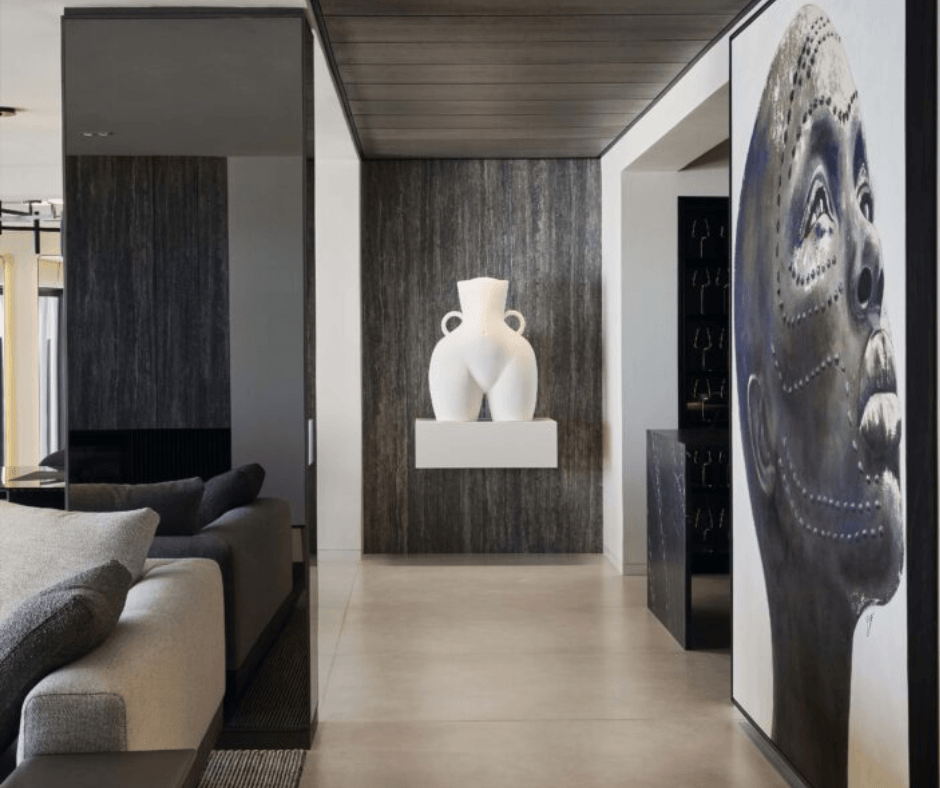
- Raw, Honed Stone: Matte surfaces that feel cool against your palm, retaining the organic imperfections carved by nature rather than being polished down to a glossy, synthetic sheen.
- Hand-Carved Timber: Benches, side tables, or structural accents that still bear the subtle, uneven marks of an artisan’s chisel.
When you surround yourself with pieces that have texture, your home stops feeling like a showroom and starts feeling like a sanctuary. Every touch links you back to the physical earth.
Play with Traditional Proportions and Modern Twists
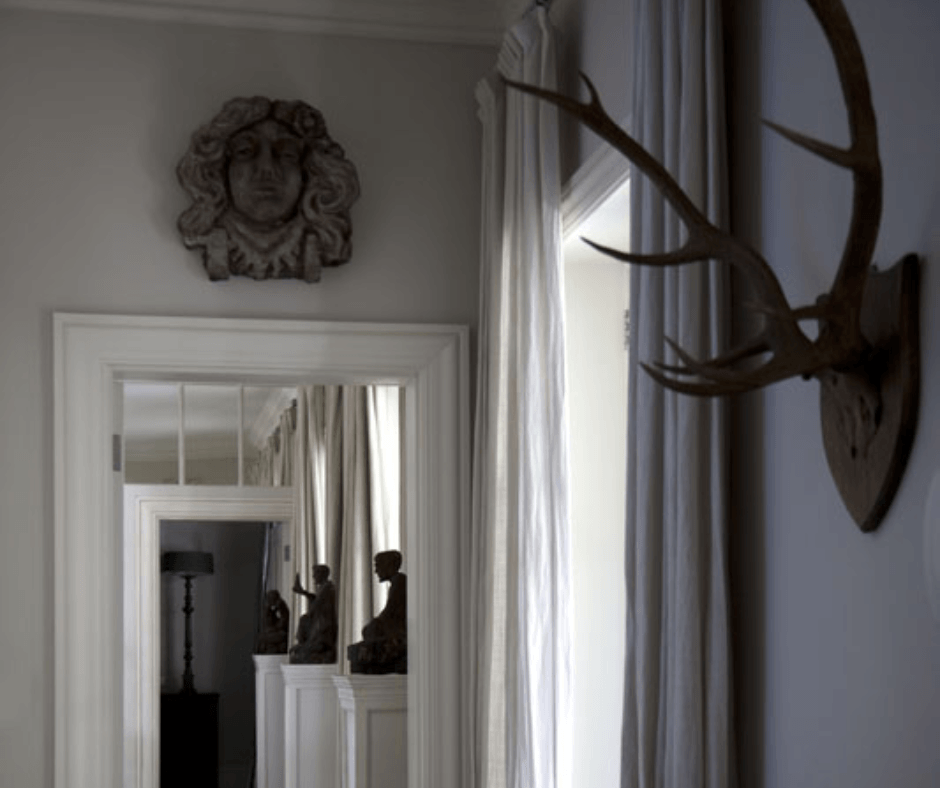
One of the reasons John Jacob’s work feels so timeless is his background in understanding classic scale and architecture. He builds spaces with traditional, correct proportions, but renders them in a thoroughly modern, clean design language.
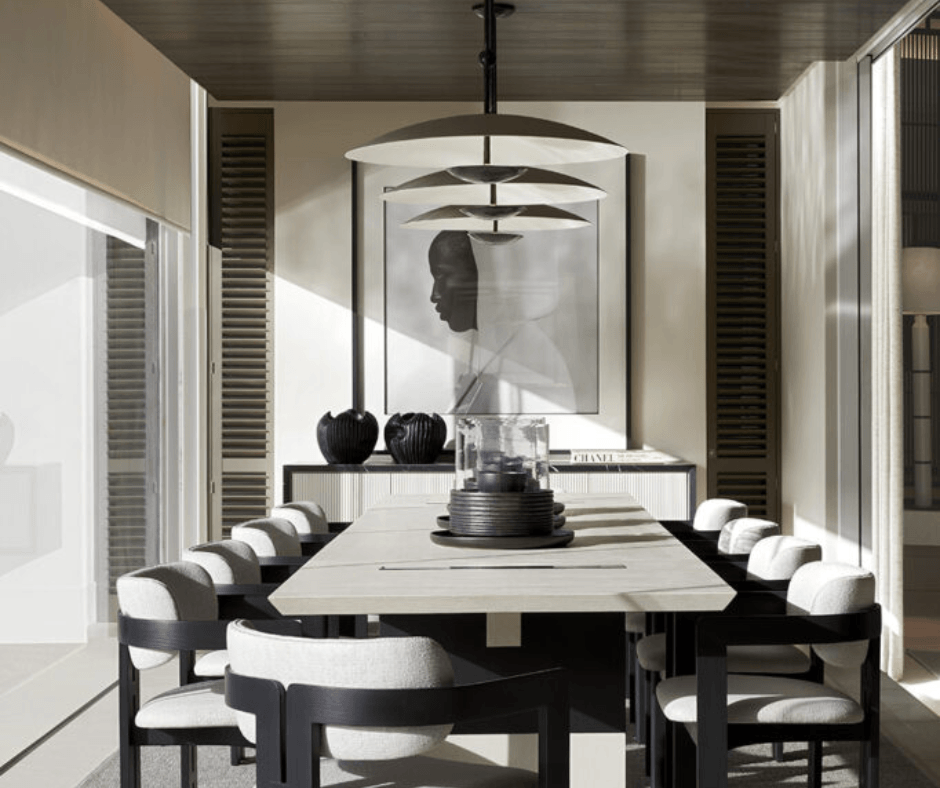
In a home context, this means grounding your rooms with strong structural pieces—perhaps a beautifully proportioned, minimalist fireplace mantle or a grand, oversized dining table—and then keeping everything else incredibly clean and uncluttered. It is the juxtaposition of an ancient, historic proportion with a fresh, simple silhouette that creates that striking “lodge” energy. It feels safe, permanent, and deeply comforting, yet completely free of stuffy, old-world clutter.
Restoring Connection: Designing for a Digital Detox
The true luxury of a remote getaway isn’t the thread count of the sheets; it’s the total absence of digital noise. It’s the layout of a room that encourages you to look outward at a view, or inward toward a loved one, rather than staring at a glowing screen.
When designing your home with a sophisticated safari lens, consider the flow of your rooms. Create intentional spaces that favor quiet connection:
- Position pairs of deep, oversized armchairs facing each other near a window rather than aiming them all at a television.
- Leave vast expanses of blank wall space to give your eyes a place to rest.
- Incorporate lighting that mimics the golden hour—soft, low-level lamps, glowing candles, and fixtures that cast long, dramatic shadows rather than harsh, overhead glare.
This approach creates a domestic ecosystem focused on well-being and presence. It allows multiple generations to gather seamlessly, finding pockets of absolute privacy or coming together naturally around a cracking fire to recount the stories of the day.
Crafting Your Own Transition
Bringing this aesthetic into your life doesn’t require a complete structural renovation. It starts with a shift in mindset. It’s about auditing your space and asking: Does this object bring me peace? Does it feel real? Does it connect me to a sense of wonder?
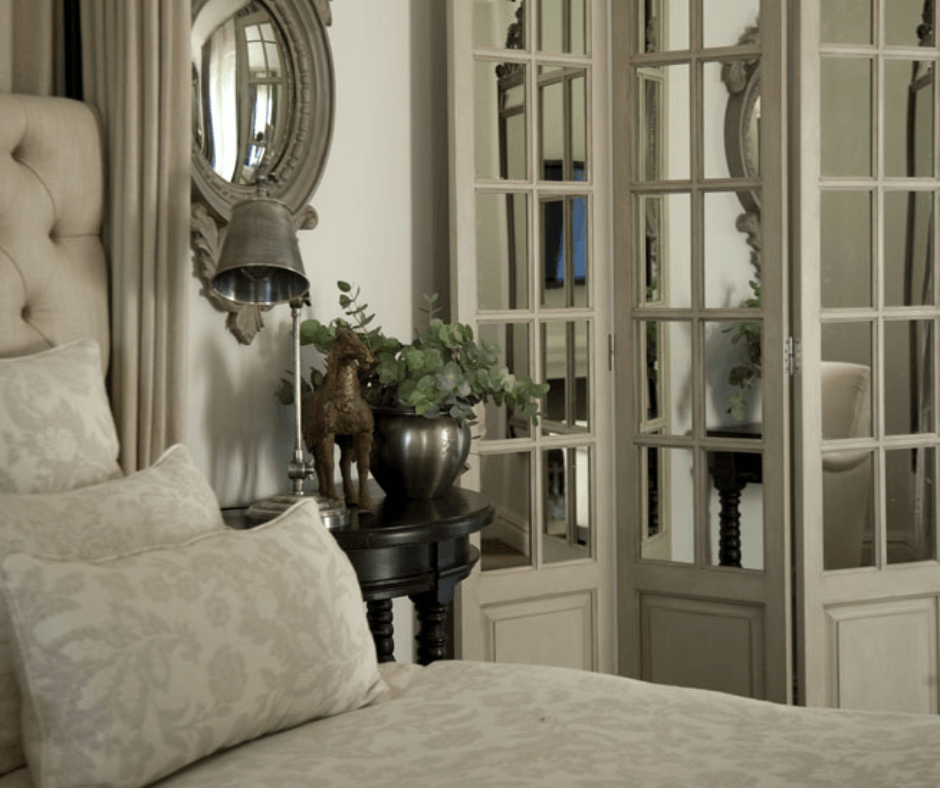
By focusing on tailored lines, a restrained palette of organic neutrals, and a rich tapestry of textures, you can craft a home that serves as a beautiful, daily reminder of the places that captured your soul. It’s a way to live with one foot in the wild, everyday.
Statement Pieces from Our Collection
To help you begin building your own travel-to-home bridge, we have curated three distinct, handcrafted collector pieces from the Nala Africa Collections. Each object carries the weight of authentic craftsmanship, designed to bring the raw, tactile soul of the African continent into your daily rituals.