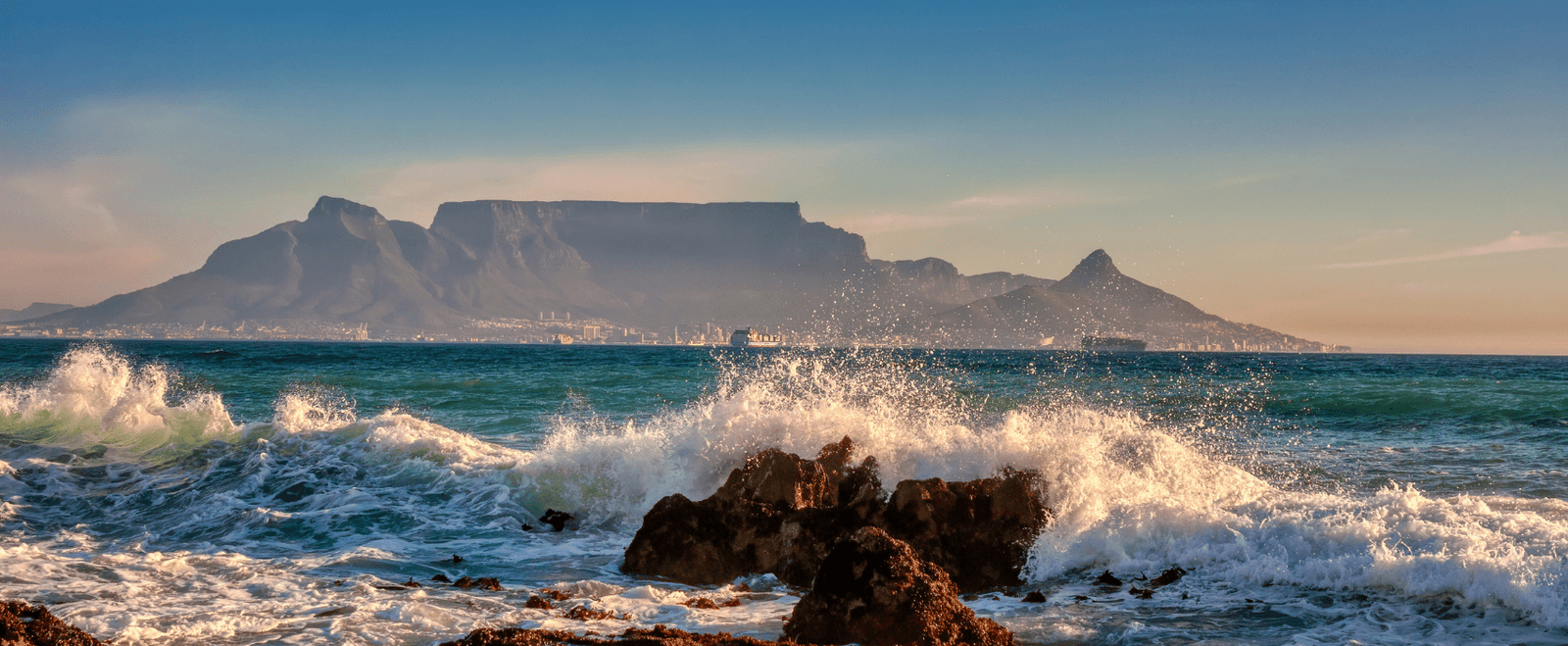
Finding a destination that alters your internal rhythm is rare. Cape Town manages it the moment you clear the mountain shadows and see two oceans colliding under a massive sky. It is a place defined by raw scale, where granite cliffs plunge into freezing surf and wild fynbos wraps the hillsides in deep green textures.
The air smells cleanly of salt and crushed stone. There is an immediate sense of unhurried freedom here, a feeling that the clock has slowed down just enough for you to catch your breath.
Planning a trip to Cape Town involves balancing wild, open nature with quiet, uncrowded spaces. You want to move through the landscape seamlessly, avoiding the masses while stepping straight into the true spirit of the coast.
This guide bypasses the usual tourist rushes to show you where to lay your head, where to find remarkable food, and how to explore the peninsula with complete peace of mind.
Where to Stay when in Cape Town
The right base changes everything. To feel the pulse of the Atlantic without the noise of the crowds, look toward the exclusive enclaves tucked along the mountain slopes.
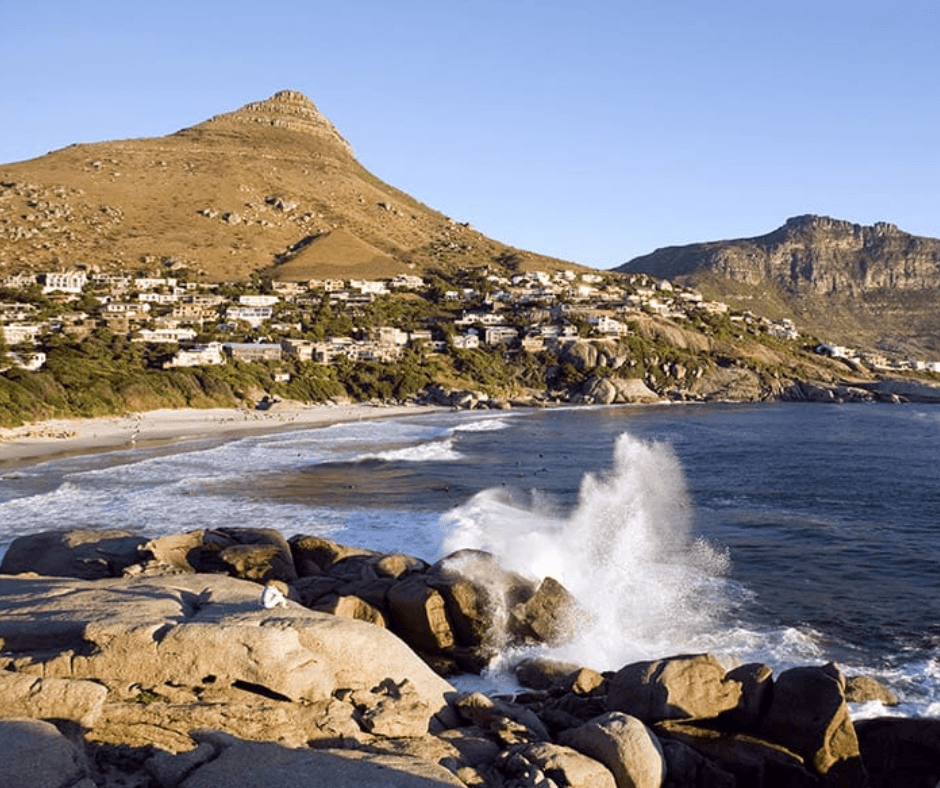
- The Atlantic Seaboard (Camps Bay & Clifton): These neighborhoods position you directly above the ocean. Look for private villas built into the granite boulders of Clifton, where elevator access takes you from your living area straight down to private patches of sand. It feels entirely detached from the city, yet you can hear the waves breaking against the glass all night.
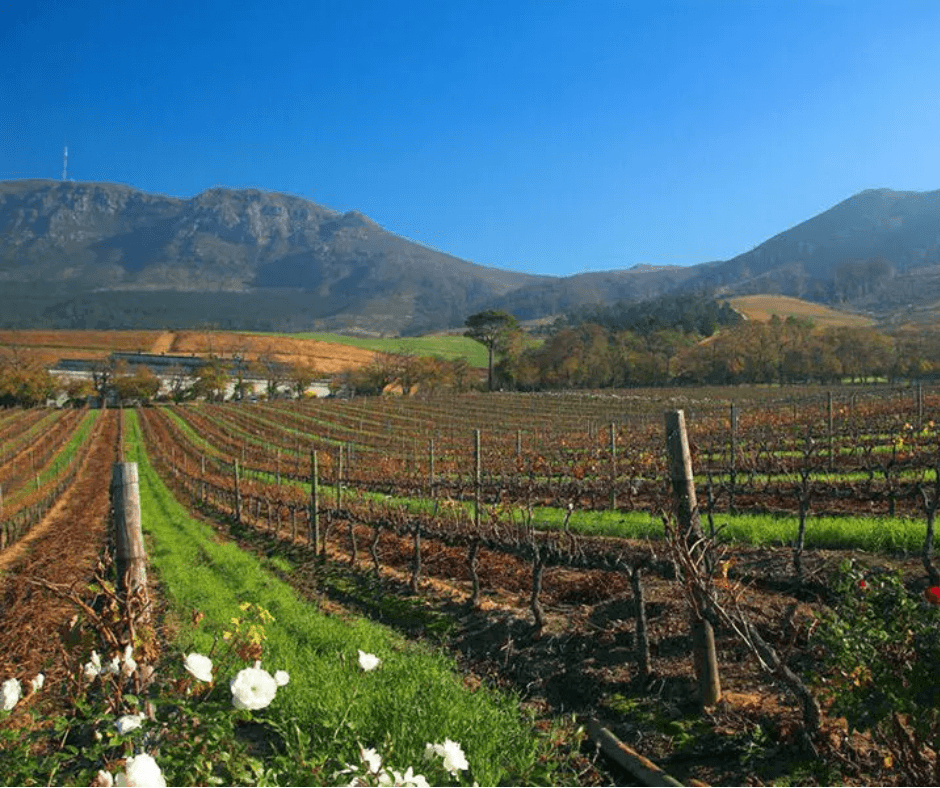
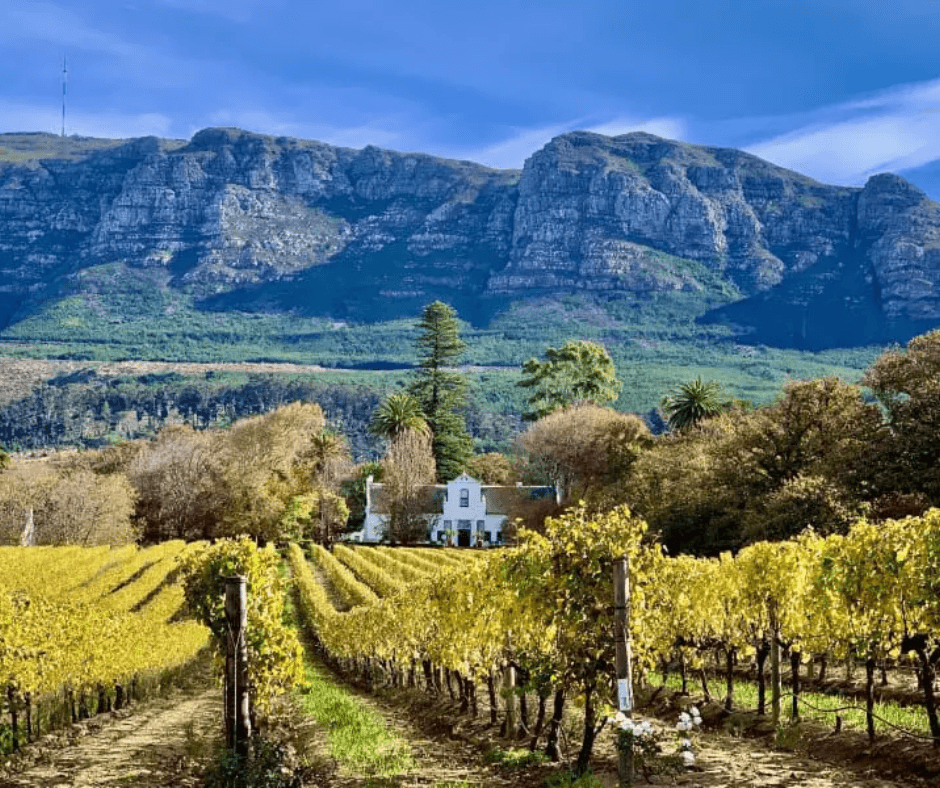
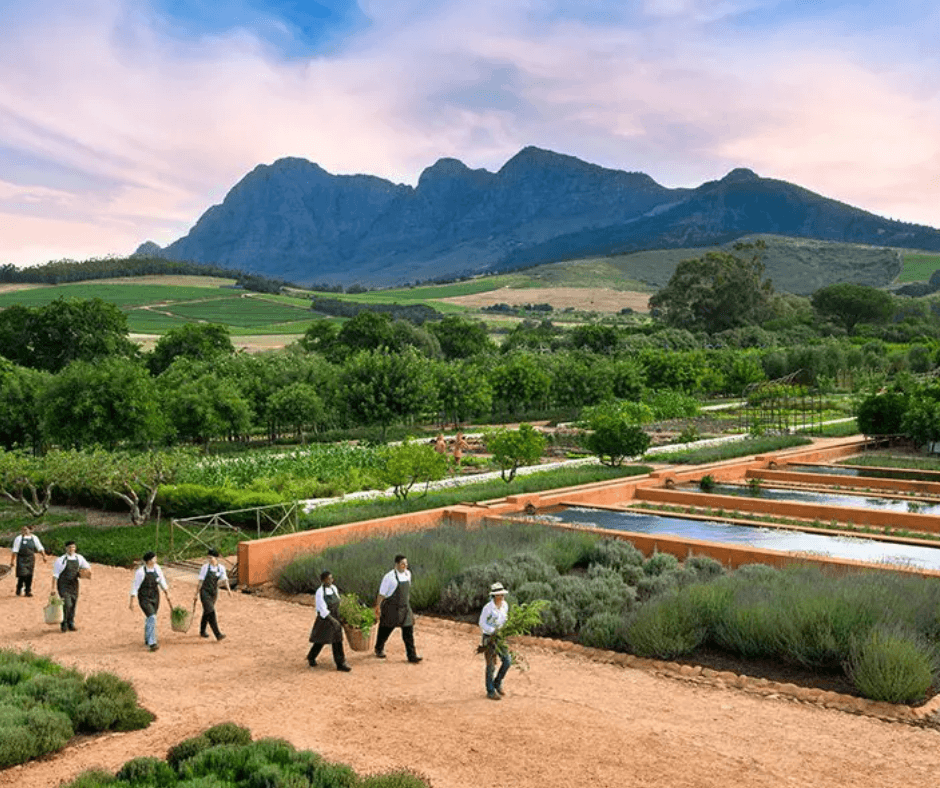
- The Constantia Wine Valley: If you prefer ancient trees, historical stone architecture, and the smell of damp earth in the mornings, stay in the green heart of the peninsula. Historic farm estates offer sprawling cottage suites surrounded by private vineyards, giving you acres of lawn to yourself.
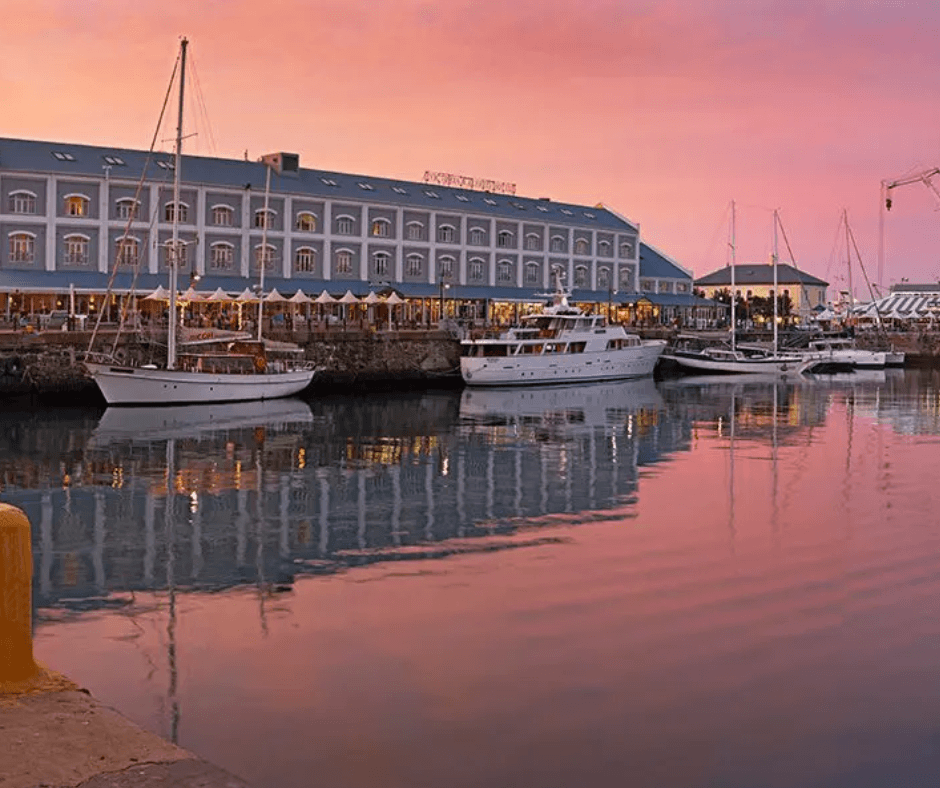
- The V&A Waterfront Marina: For total security and effortless transitions, the private residential marina at the waterfront offers quiet waterways and direct boat access, steps away from fine dining but completely closed to the general public.
Where to Eat in Cape Town: Honest Flavors and Oceanside Tables
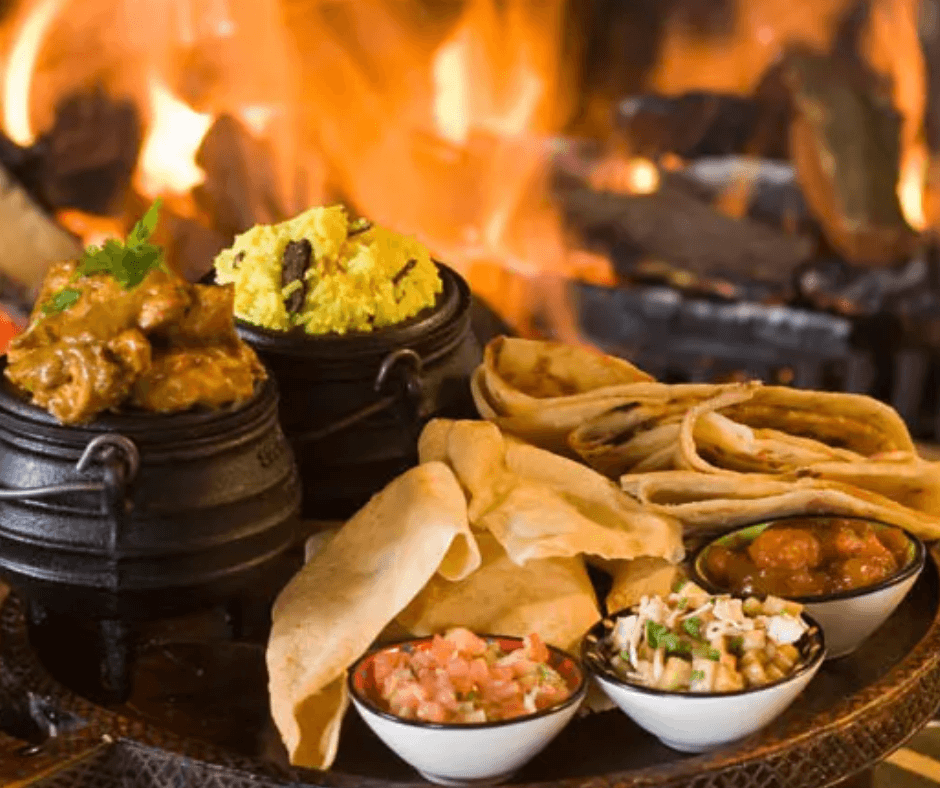
Food here relies on exceptional raw ingredients pulled from the cold sea and nearby valleys. The dining scene thrives on creative freedom without the stiff formality of traditional fine dining.
- The Test Kitchen Fledgelings (Cape Town City Centre): A brilliant social experiment where raw talent meets high gastronomy. The space is unpretentious, the service is genuinely warm, and the plates show incredible respect for local game and coastal seafood.
- Chef’s Warehouse at Beau Constantia: Tables sit on the edge of a steep vineyard, looking out over the entire valley. The menu changes constantly based on what is fresh, offering modern tapas that balance intense global flavors with local ingredients.
- Waterside (V&A Waterfront): Located along the quiet canal edges, this spot delivers a refined, multi-course lunch that feels light, creative, and perfectly calibrated for a warm afternoon by the water.
Visit Kirstenbosch Botanical Gardens
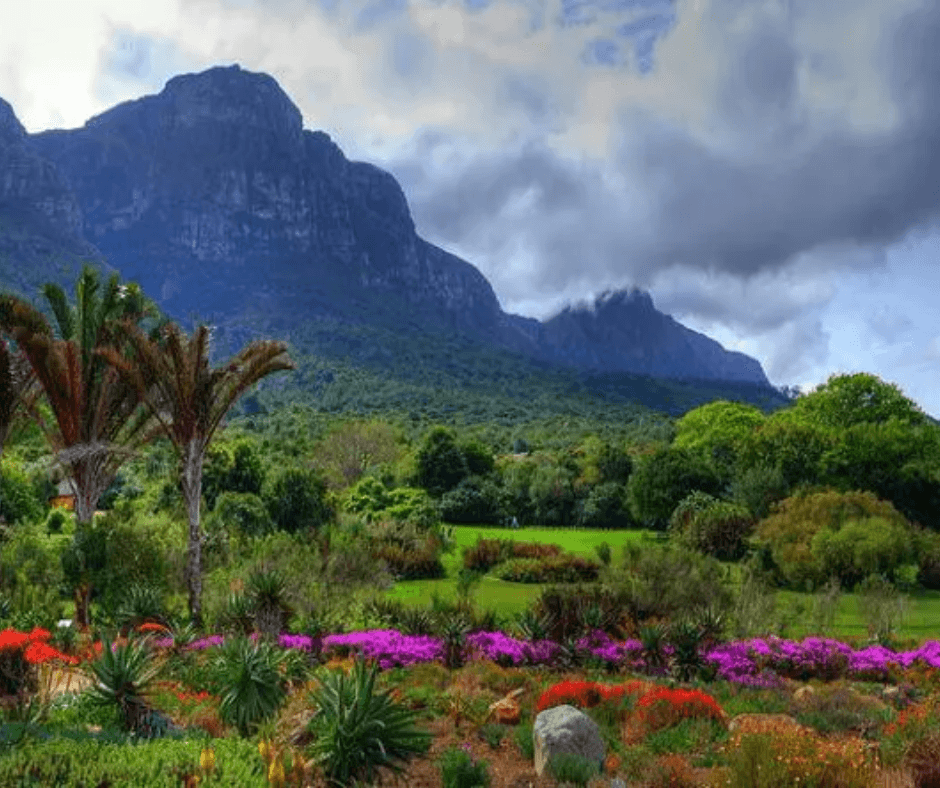
Walking into these gardens early in the morning feels like stepping back to the beginning of the earth. The lawns spread upward against the sheer, vertical rock face of Table Mountain, catching the first morning light while the rest of the city remains in shadow.
Instead of rushing through the main paths, head higher up toward the elevated canopy walkway. This timber and steel bridge weaves right through the tops of ancient trees, placing you eye-level with bright sunbirds drinking from giant protea blooms.
The air is cool, thick with the scent of damp moss and wild leaves. It is the perfect place to sit quietly on a wooden bench and listen to the wind rustling through the gorge, completely insulated from the outside world.
Explore Cape Town City Centre
The core of Cape Town is small, walkable, and packed with architectural layers. Walk down Bree Street to see beautifully restored heritage storefronts standing comfortably alongside quiet contemporary art galleries.
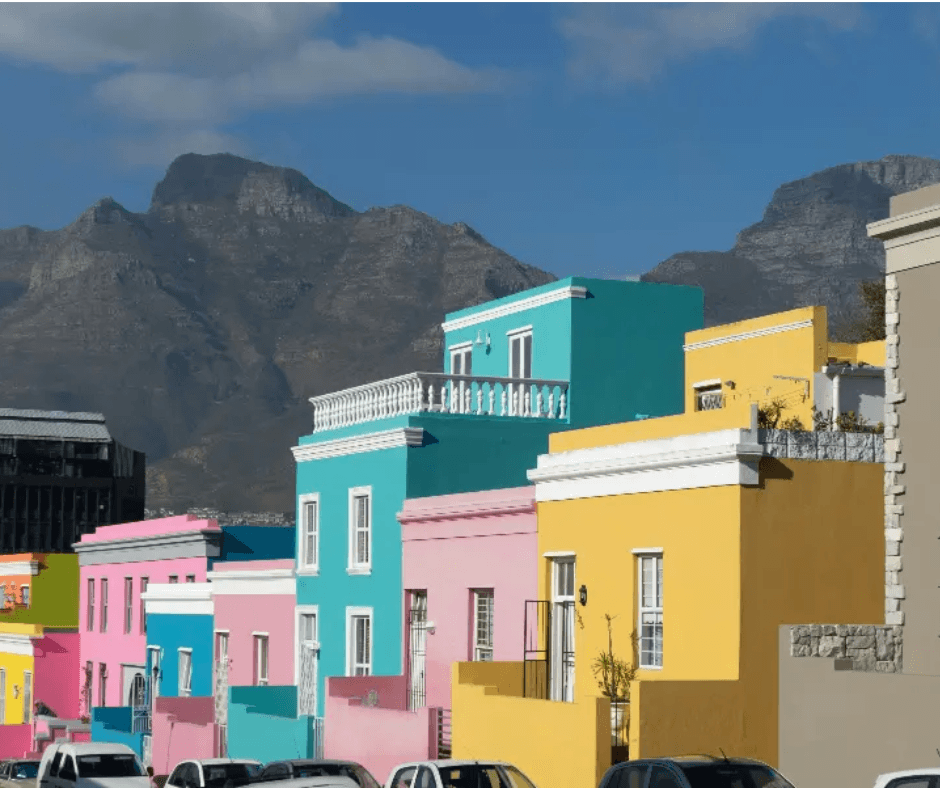
Naturally, the best way to feel the rhythm of the city is through its creative spaces. Make a turn into Greenmarket Square to see the old stone cobbles, then slip away to the nearby pastel-colored lanes of Bo-Kaap.
The cobblestones feel uneven under your shoes, and the scent of ground cumin and warm cardamom drifts from family kitchens. It is a living, breathing neighborhood where history is kept alive through conversation and deep community roots.
Shop & Dine at the V&A
The working harbor remains the functional heart of the coast. Giant blue tugboats guide container vessels into the docks while fur seals sun themselves on the wooden pontoons right below the walkways.
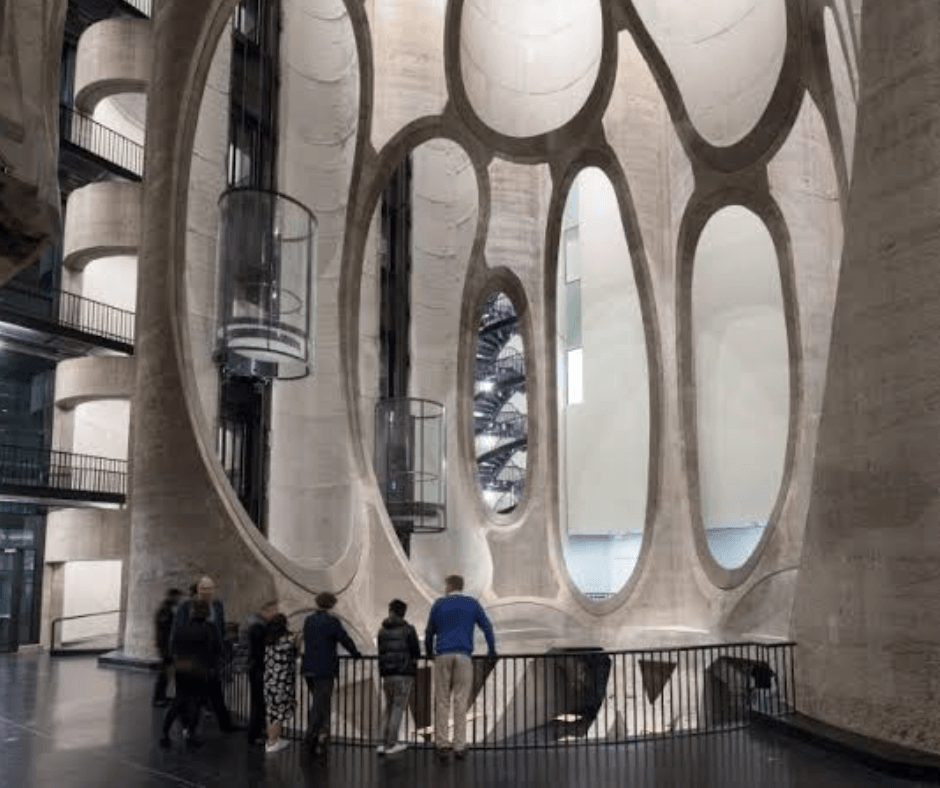
Behind the scenes, the historic grain silo building has been transformed into the Zeitz Museum of Contemporary Art Africa. Walk inside to see the massive, hollowed-out concrete tubes that look like an underground cathedral.
Afterward, skip the busier malls and browse the Watershed, a bright space dedicated to high-end African design, hand-spun textiles, and ceramics made by local hands. Finish your afternoon at a dockside table, watching the drawbridge swing open as yachts glide past in the late sun.
Hit the Beaches
The coastline changes character around every bend, offering everything from wind-sheltered coves to vast stretches of wild surf.
- Clifton Beaches: Four distinct coves divided by massive granite boulders. The water is crisp and clear, and the giant rocks block the summer wind, creating small, private amphitheaters of warm sand.
- Camps Bay: A wide, dramatic sweep of white sand backed by the towering peaks of the Twelve Apostles. It is ideal for a late afternoon walk as the granite peaks turn pink in the setting sun.
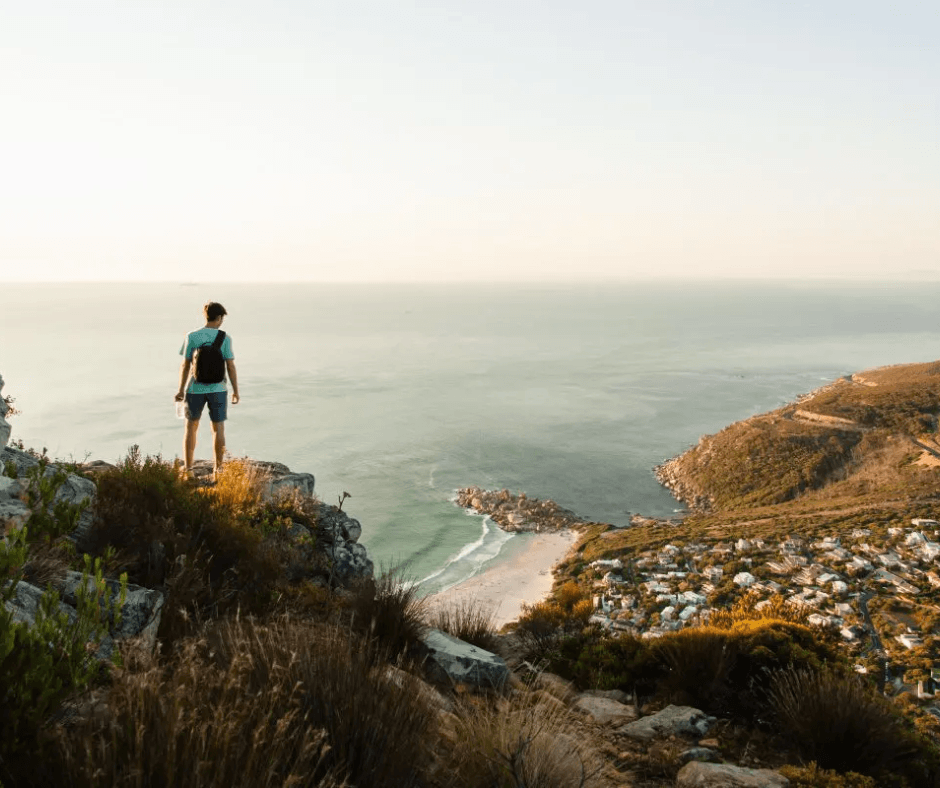
- Llandudno: Tucked away at the base of a winding mountain road, this beach feels exclusive and beautifully wild. There are no shops or restaurants here, just raw nature, crashing waves, and local surfers tracking the swell.
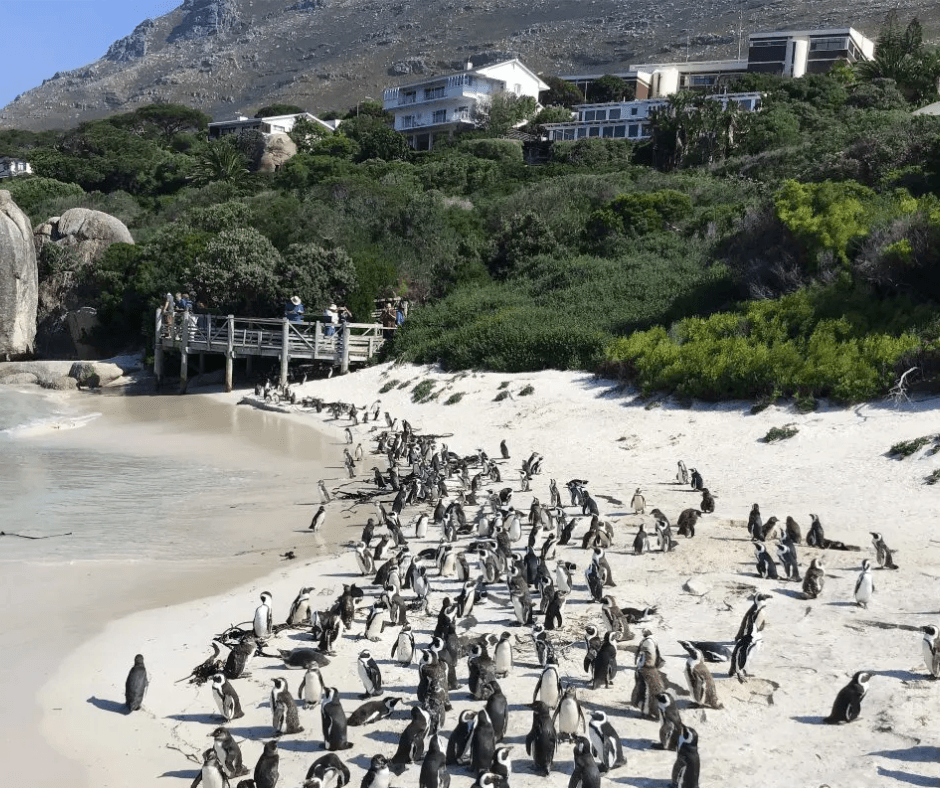
Meanwhile, the warmer False Bay side of the peninsula offers an entirely different coastal experience.
- Boulders Beach: Giant granite rocks form sheltered, shallow pools of calm sea water. Here, you can stand quietly on the wooden boardwalks and watch African penguins waddle across the sand, preening their feathers just inches away.
- Muizenberg: Famous for its rows of brightly painted wooden beach huts and its long, gentle waves. The water is notably warmer here, making it the perfect spot to feel the soft sand between your toes during a long beachcombing walk.
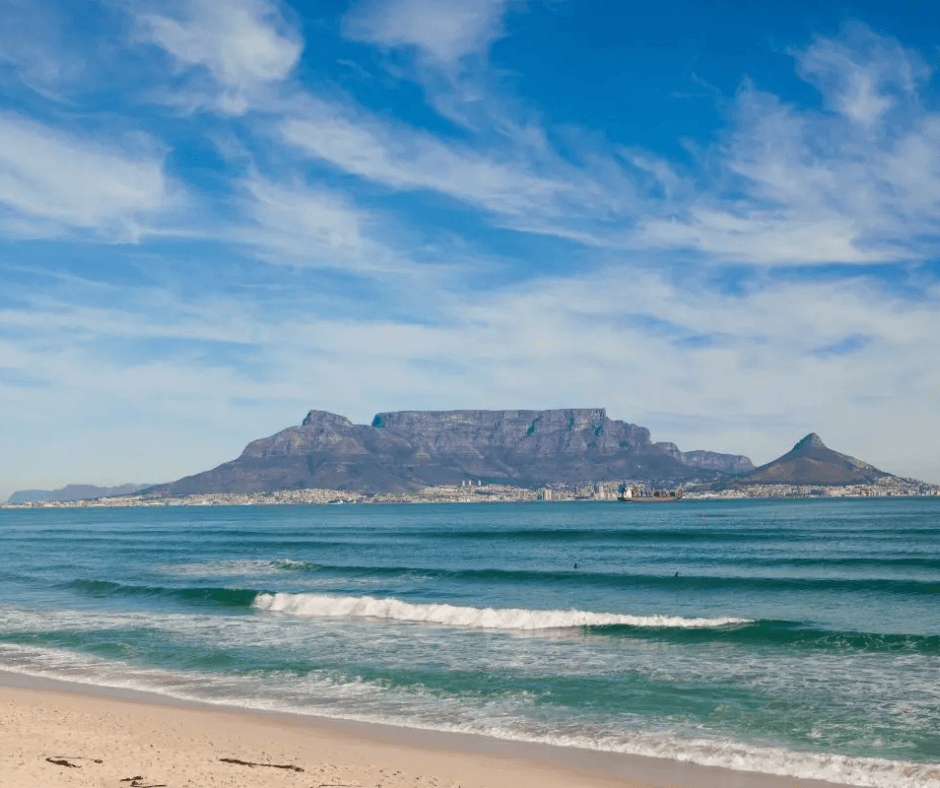
- Blouberg: Located across the bay to the north, this stretch of sand offers the classic postcard view. Sit on the dunes and watch the sun drop directly behind the dark silhouette of Table Mountain across the cold water.
Go Wine Tasting
The valleys surrounding the city produce some of the most exceptional vintages in the southern hemisphere, set against dramatic mountain amphitheaters.
- Constantia: The oldest wine valley in the country sits right on the city’s doorstep. Estates feature grand Cape Dutch homesteads with thick white walls and dark thatched roofs. Tasting a crisp Sauvignon Blanc under the shade of three-hundred-year-old oak trees feels like stepping straight into a calm, historic sanctuary.
- Franschhoek: Tucked deep into a narrow mountain valley, this village retains a distinct French heritage. The vineyards here are manicured beautifully, and the tasting rooms offer incredible privacy, often allowing you to sit inside private barrel cellars to taste old-vintage red blends with the winemakers.
- Stellenbosch: An expansive region of rolling hills and rugged blue peaks. The soils here yield powerful, structured reds. Walking through these historic estates, you can feel the deep agricultural tradition in the gnarled vines and the quiet pride of the farm workers.
- Hemel-en-Aarde: The name translates to “Heaven and Earth,” and the valley lives up to it. Located closer to the coastal town of Hermanus, the cool sea breezes roll over the ridges, creating the perfect conditions for delicate Pinot Noir and elegant Chardonnay. The tasting rooms here look out over mist-shrouded hills, offering a quiet, contemplative escape.
Insider Tip: Secure a private chauffeur for your journey between the valleys. It allows you to watch the dramatic mountain passes unfold without the hassle of navigating rural bends.

Tour of Robben Island
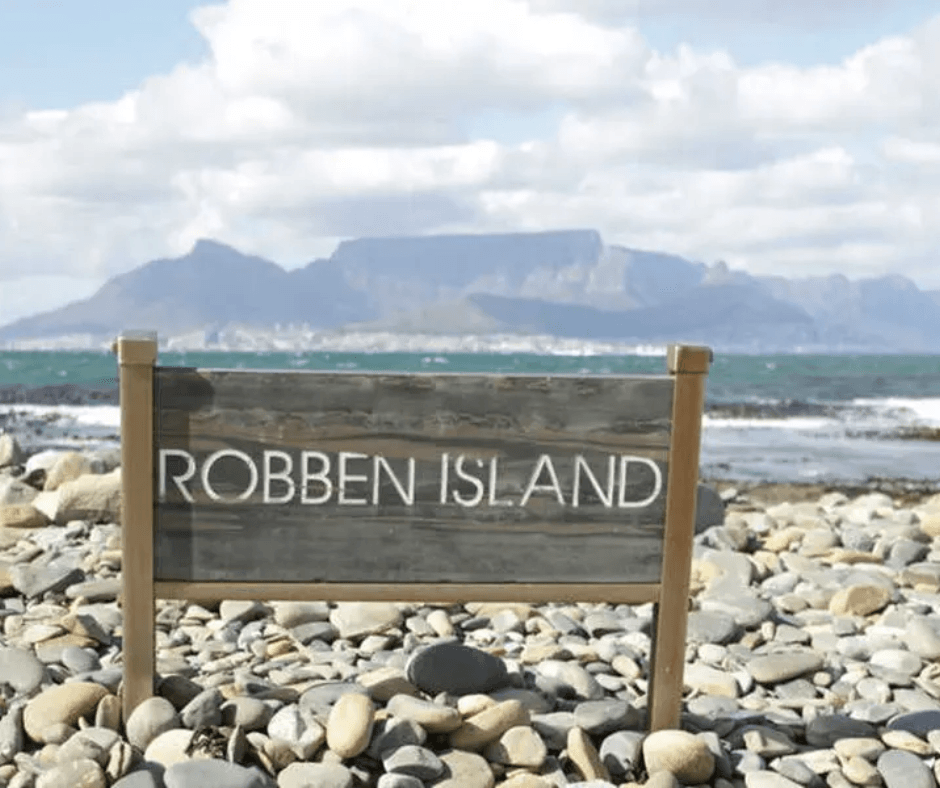
Boarding the ferry at the waterfront marks the beginning of a profound emotional journey. The boat cuts through the cold grey swells of Table Bay, leaving the dramatic mountain skyline behind as you approach the low-lying, windswept island.
Ultimately, what makes this Cape Town tour unforgettable is the guidance. Former political prisoners lead you through the limestone quarry and the stark concrete cellblocks. Listening to a man describe his years spent in a tiny courtyard, his voice calm and completely devoid of bitterness, touches the heart deeply.
The silence in the narrow corridors is heavy, broken only by the sound of the wind off the sea, making you realize the immense power of human resilience.
Visit Table Mountain
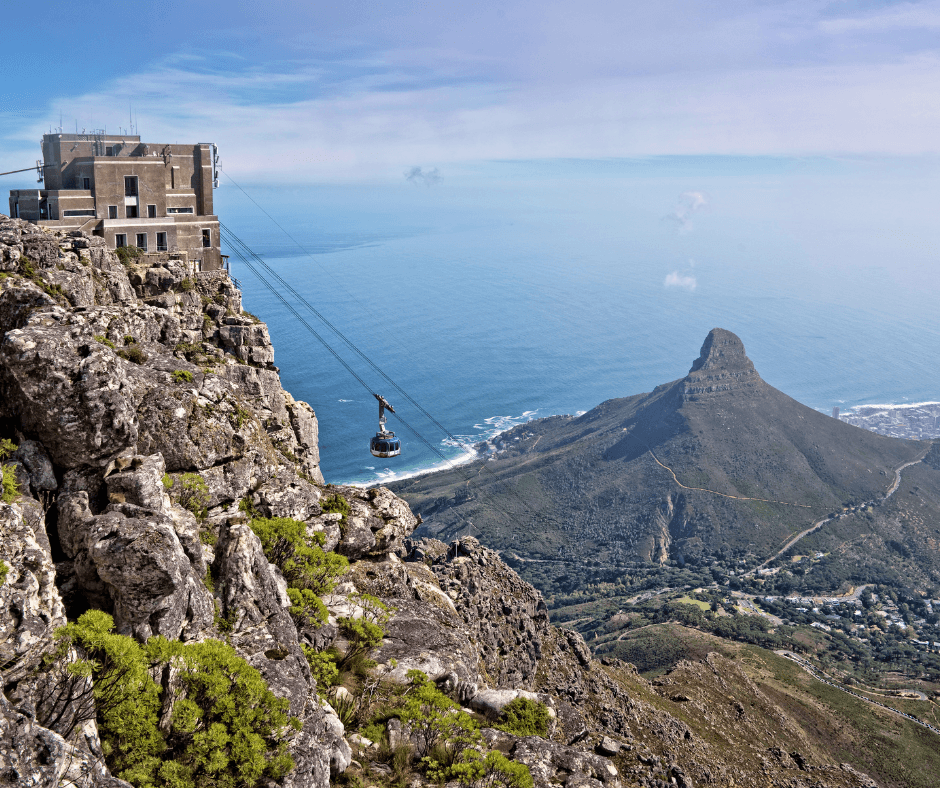
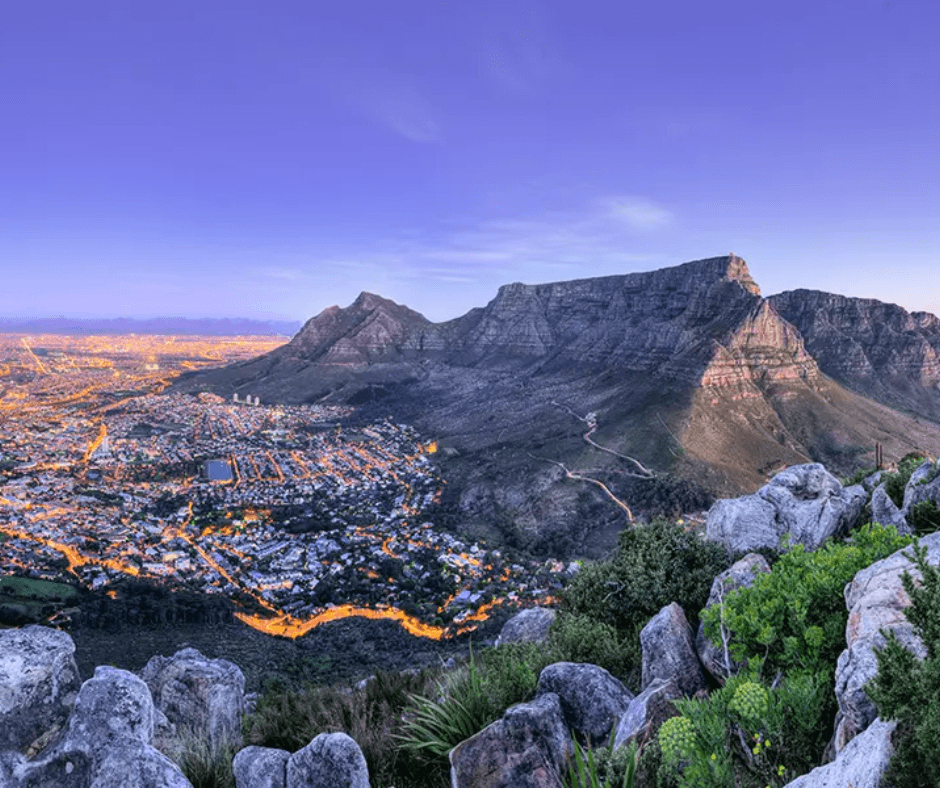
The great flat-topped mountain is more than a backdrop; it dictates the weather, the light, and the identity of the entire city. The easiest way to the top is the rotating cable car, which turns slowly to give you a complete view of the cliffs as you rise through the clouds.
Once you step out at the top, the modern world disappears completely. A vast, rocky plateau stretches out in all directions, covered in hardy shrubs and small rock pools. Walk away from the main viewing decks along the western paths.
Within minutes, you will find absolute silence, standing on the edge of a vertical drop with the entire Atlantic coastline spread out like a blue map below your boots.
Insider Tip: To preserve the feeling of total solitude, pre-book the first morning cableway ticket. The air is crisp, the paths are empty, and you will have the western trails entirely to yourself before the midday warmth arrives.
Explore Cape Point
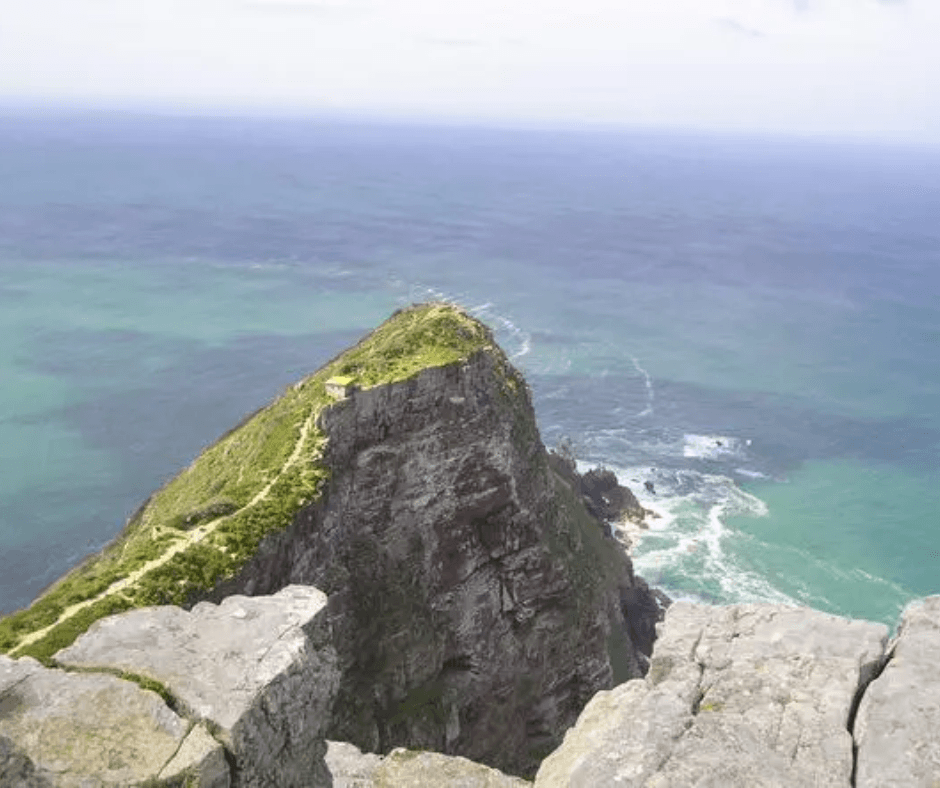
Driving south down the peninsula feels like traveling to the absolute end of the earth. The road clings to the cliffs, twisting past wild beaches until you enter the nature reserve, where the land thins out into a narrow finger of rugged rock.
Wild baboons forage in the coastal brush, and Cape mountain zebras graze along the fynbos plains. Walk up the steep stone path to the old lighthouse perched on the highest peak. The wind here is fierce, clean, and unrelenting, blowing straight off the Southern Ocean.
Looking down at the massive waves smashing against the black rocks hundreds of feet below, you feel the raw, untamed power of a landscape that has remained unchanged for millennia.
Enjoy the Outdoors
The dramatic landscape serves as a natural playground for those who prefer to experience nature through movement and fresh air.
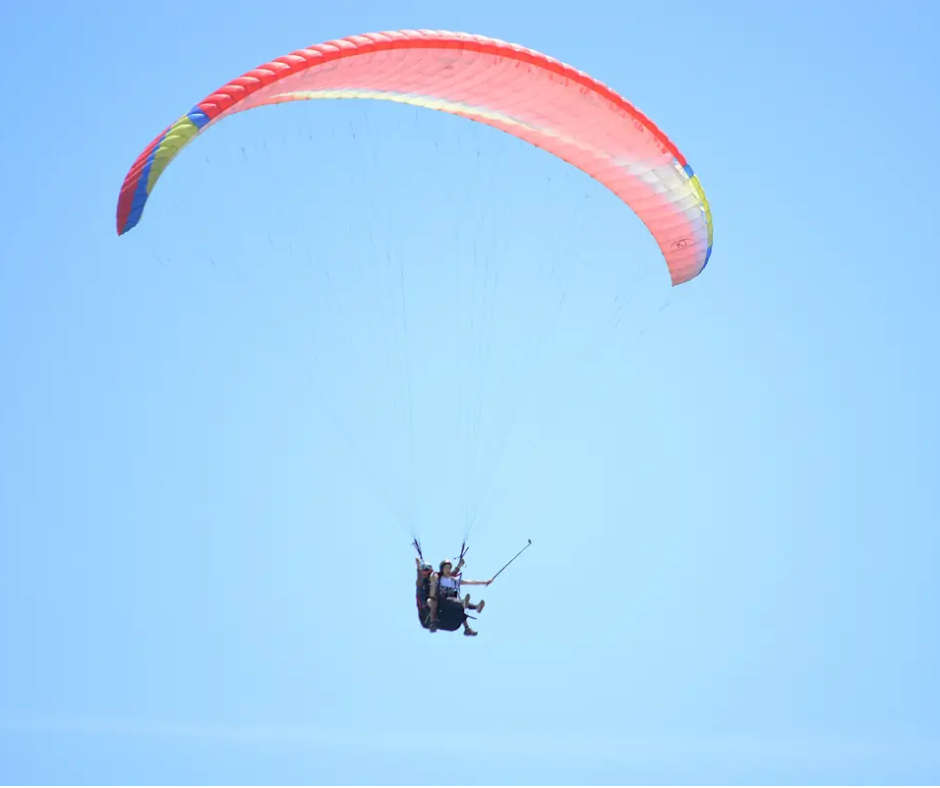
- Paragliding off Cape Town’s Signal Hill: Step off the green slopes of Signal Hill and float effortlessly into the air. The rush of wind gives way to a strange, serene silence as you glide high above the beachfront, landing gently on the lawns by the sea.
- Abseiling off Table Mountain: Step backward off the sheer granite cliff face at the top of the mountain. Dangling from a rope a thousand meters above the ocean forces your mind to clear instantly, leaving you completely present in the vastness of the space.
- Kiteboarding: The summer winds at Blouberg create a world-class arena for riders. Watch them catch massive air, flying across the waves with the city skyline framed perfectly in the background.
- Mountain Biking: Fast, flowing single-track trails wind through towering pine forests and local fynbos slopes in Tokai Forest, offering sharp climbs and rewarding views over the southern valleys.
- Seal Snorkeling: Slip into the freezing Atlantic water wearing a thick wetsuit. In the kelp forests around Hout Bay, hundreds of playful fur seals dart around you, turning effortlessly in the water to look you straight in the mask.
Take to the Cape Town Skies
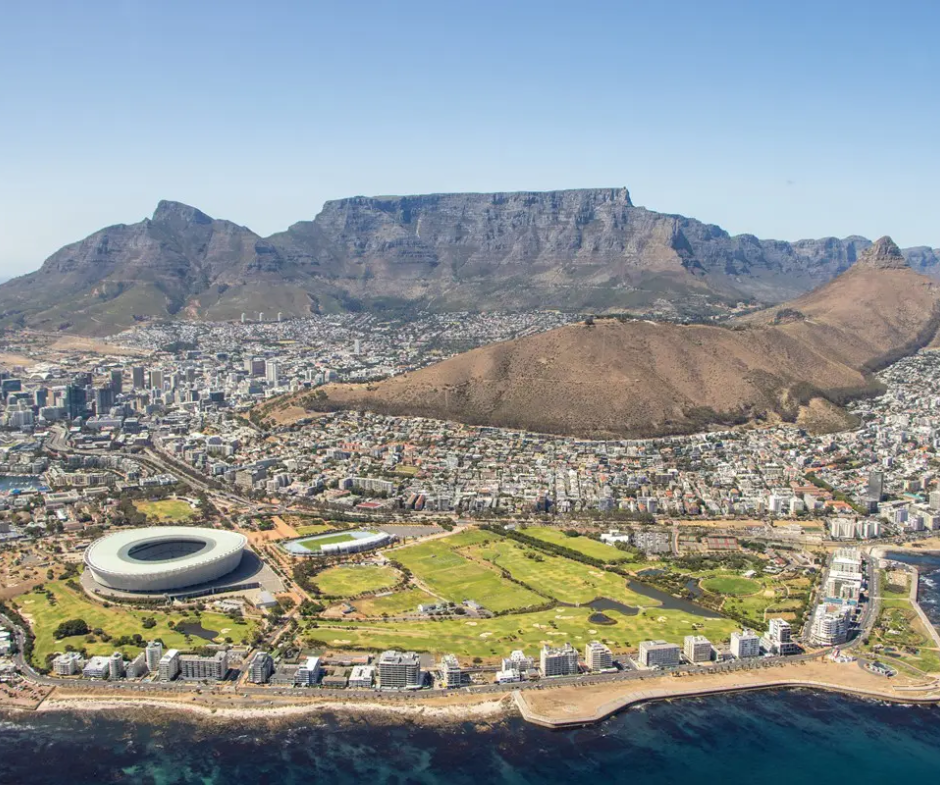
To truly understand how this peninsula fits together, you need to see it from above. A private helicopter flight from the waterfront takes you up over the harbor walls and out along the dramatic mountain spine.
From the air, the true geometry of Cape Town reveals itself. You trace the white sands of Clifton, watch the green valleys of Constantia tuck into the mountain folds, and see exactly where the land narrows to a sharp point at the edge of the continent. The transition from the deep blue of the ocean to the stark white of the surf and the dark green of the peaks is flawless.
It gives you a final, unforgettable perspective on a place where raw wilderness and human life exist in perfect harmony.
Final moments of Cape Town
There is a distinct weight to your final evening on the peninsula. As the twilight settles, the massive silhouette of the mountain turns deep indigo against a bruising sky. You realize that you don’t simply visit this coast; you let it recalibrate how you see the world.
The true luxury of this place isn’t found in a checklist of sights, but in the spaces between them—the quiet hour spent on a granite boulder as the tide pulls back, or the slow conversation over an ancient vintage while the valley grows dark. You leave with a lighter stride, a clearer mind, and the distinct knowledge that a piece of your heart remains anchored to the edge of this continent.
Stories in Bronze:
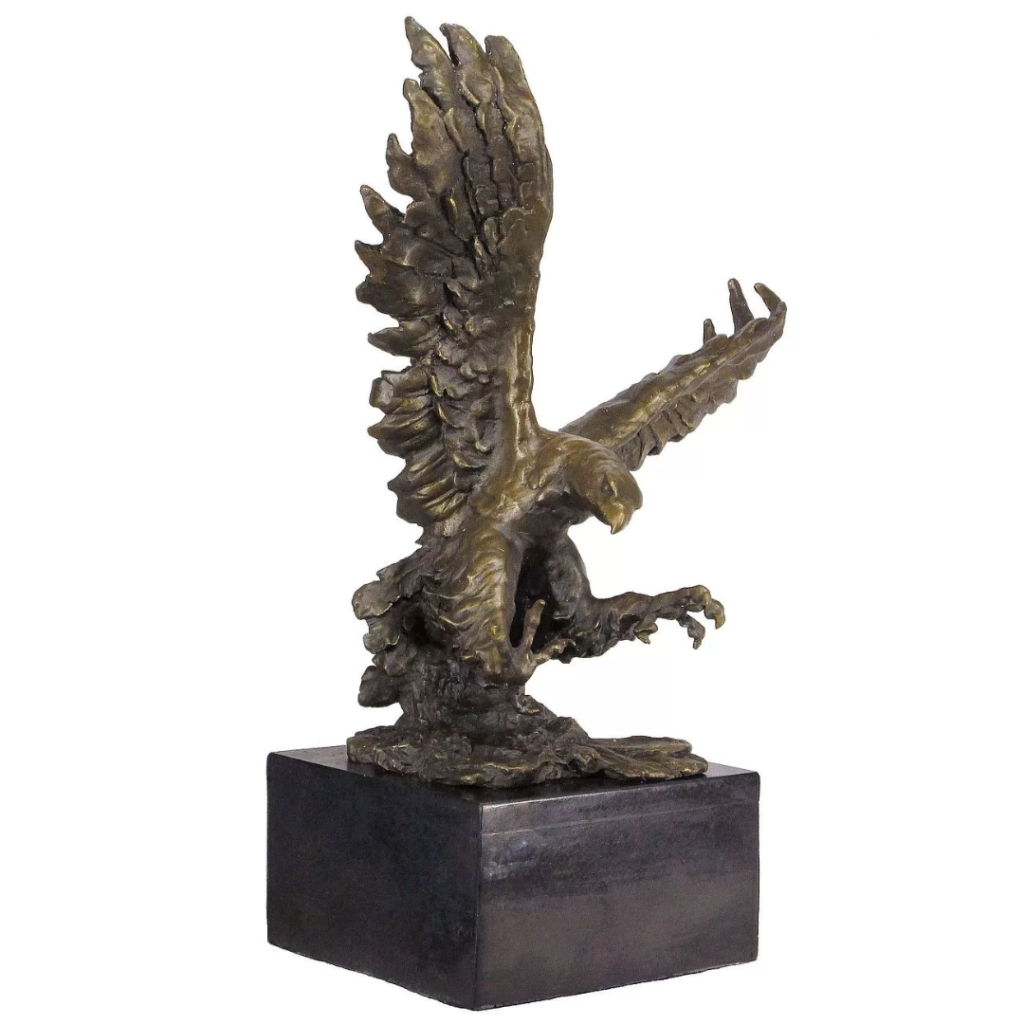
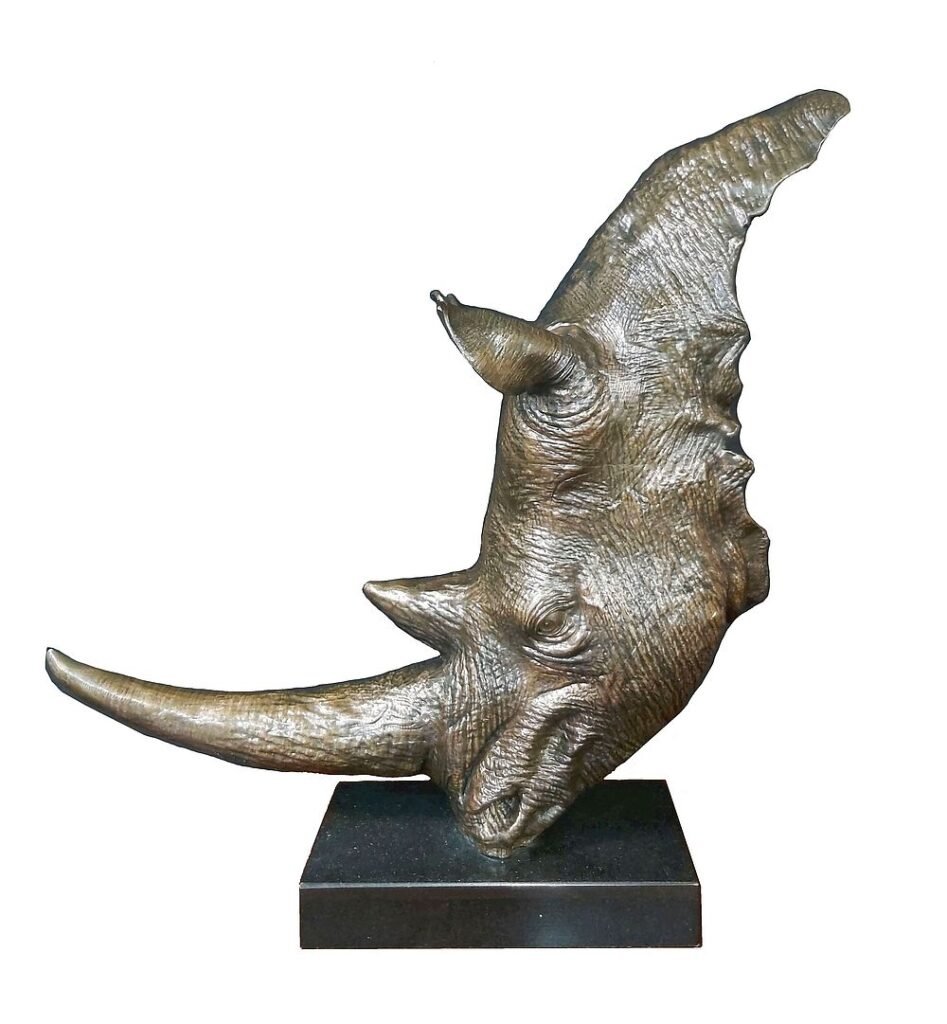
Standing at the edge of the continent forces you to look closer at the raw form of the wild. The way a hawk catches the thermal currents or a wild animal moves through the fynbos is a masterclass in natural balance. Cast by local hands, these heavy, solid pieces carry the weight and permanent spirit of the African ridge straight into your study or living room.