

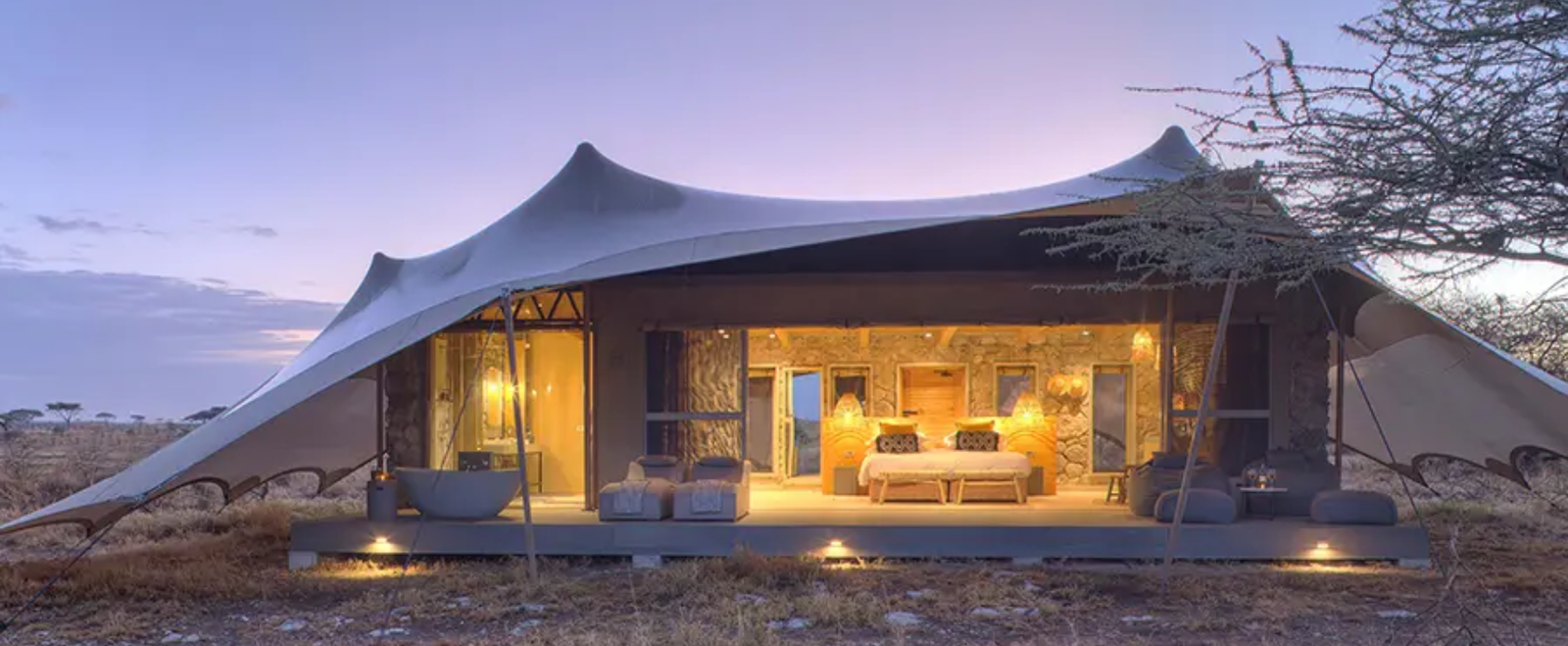
The first time you see the African savanna at sunrise, something shifts inside you.
The sky slowly turns from deep purple to soft gold. The grass moves gently in the morning breeze. Somewhere in the distance, a lion roars — deep and powerful, echoing across the plains.
It’s a moment you feel in your chest.
For many travelers, an African safari has been a lifelong dream. But when it finally comes time to plan, the questions start piling up. Which country should you choose? How long should you stay? What kind of safari experience is right for you?
Let’s walk through it together so your first safari feels exciting, not overwhelming.
Choosing the Right Safari Destination
Africa is a vast continent with many incredible wildlife destinations. Each one offers a slightly different experience.
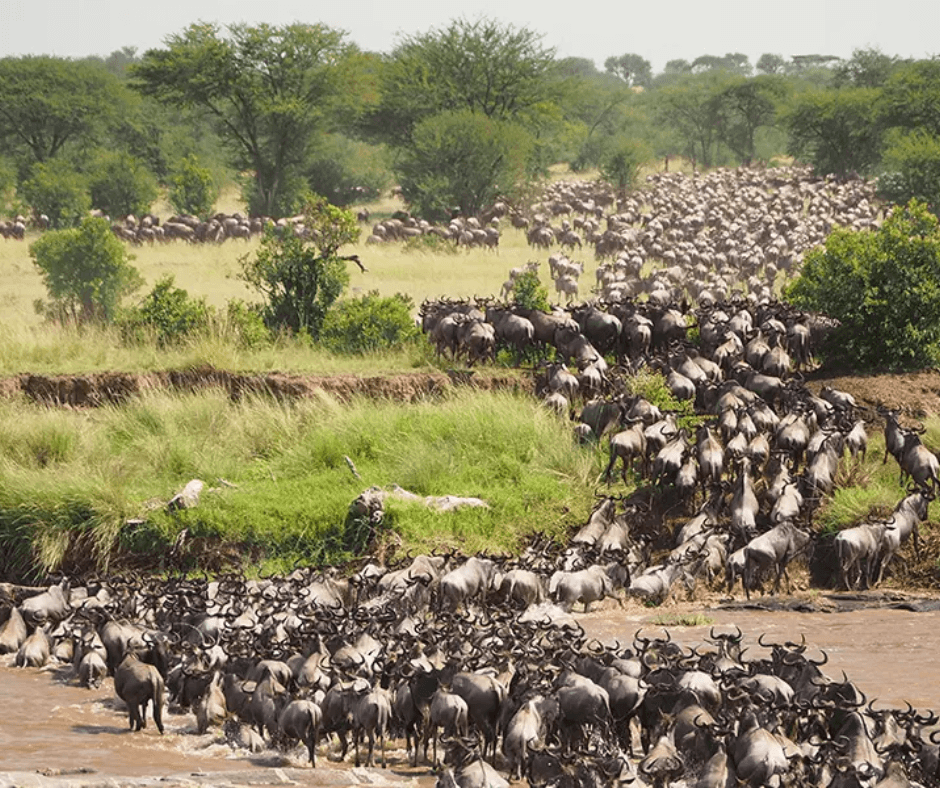
One of the most famous is the Serengeti in Tanzania. The Serengeti is known for its endless plains and the breathtaking Great Migration, when millions of wildebeest and zebra move across the land in search of fresh grass. Seeing this movement of life is unforgettable. Dust rises into the air as hooves thunder across the earth.
In Kenya, the Maasai Mara offers a classic safari setting. The landscape rolls gently toward the horizon, dotted with acacia trees that look like umbrellas against the sky. Wildlife is abundant here. Lions lounge in the grass. Cheetahs scan the plains from small hills.
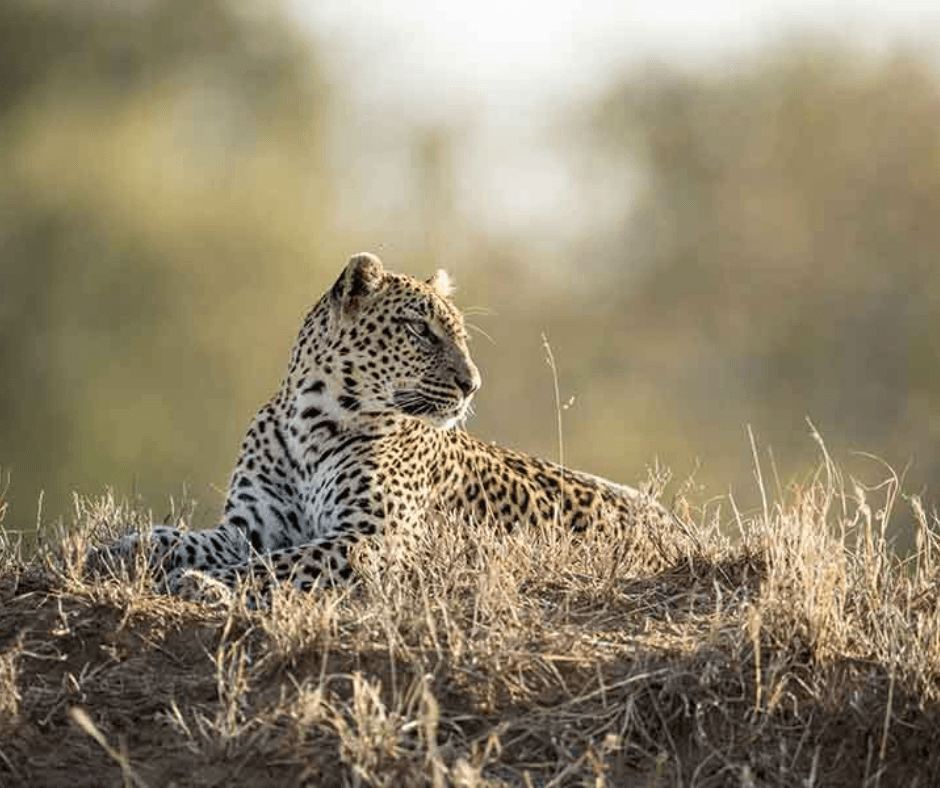
For travelers wanting excellent infrastructure and flexibility, Kruger National Park is one of the best options. The park is massive and incredibly diverse. One moment you might be watching elephants at a waterhole, the next you’re spotting a leopard draped across a tree branch.
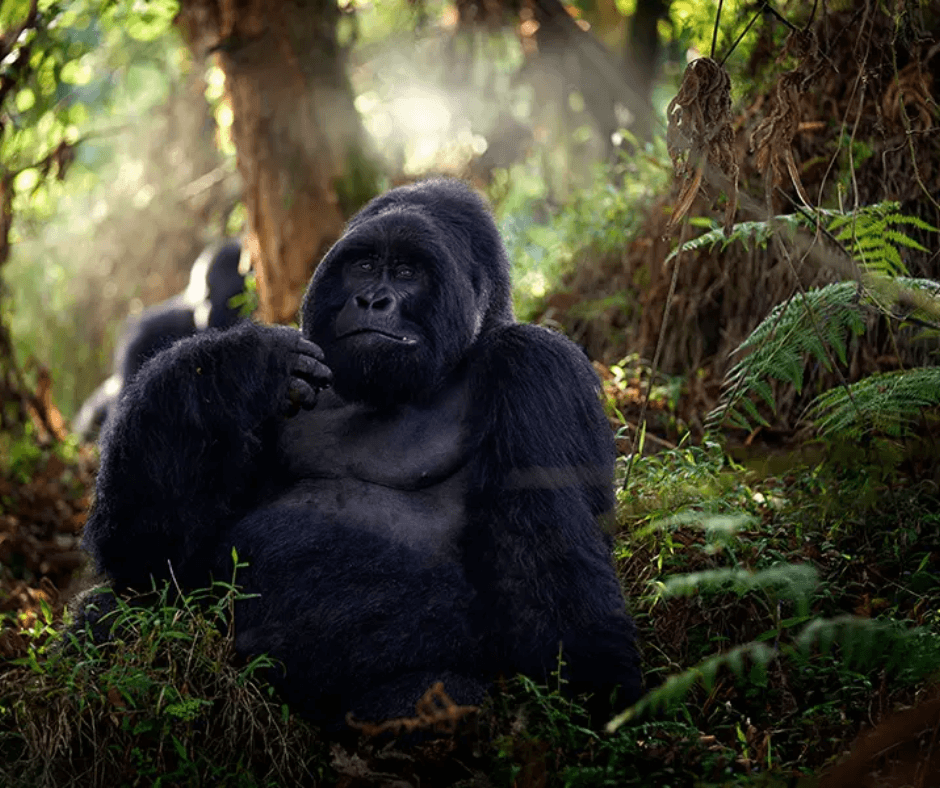
Each destination offers something special. Think about what excites you most — the Great Migration, the Big Five, or simply being surrounded by wild landscapes.
How Long Should Your Safari Be?
Many first-time visitors underestimate how much time a safari deserves.
Wildlife moves constantly. The more time you spend in the bush, the more magical moments you will witness.
3–4 days can give you a taste of safari life. You’ll enjoy a few game drives and likely see many animals.
5–7 days is ideal for most first-time travelers. It allows multiple morning and afternoon drives, plus time to relax and absorb the environment.
10 days or more opens the door to exploring multiple regions or even countries. You could combine the Serengeti with the Ngorongoro Crater, or pair Kruger with a coastal escape afterward.
Safaris aren’t rushed experiences. The beauty lies in slowing down.
Different Types of Safari Experiences
Many people imagine a safari as simply driving through the bush in a jeep. While that is the most common experience, there are actually several ways to explore the wild.
Each one offers a different perspective.
Open Jeep Safari
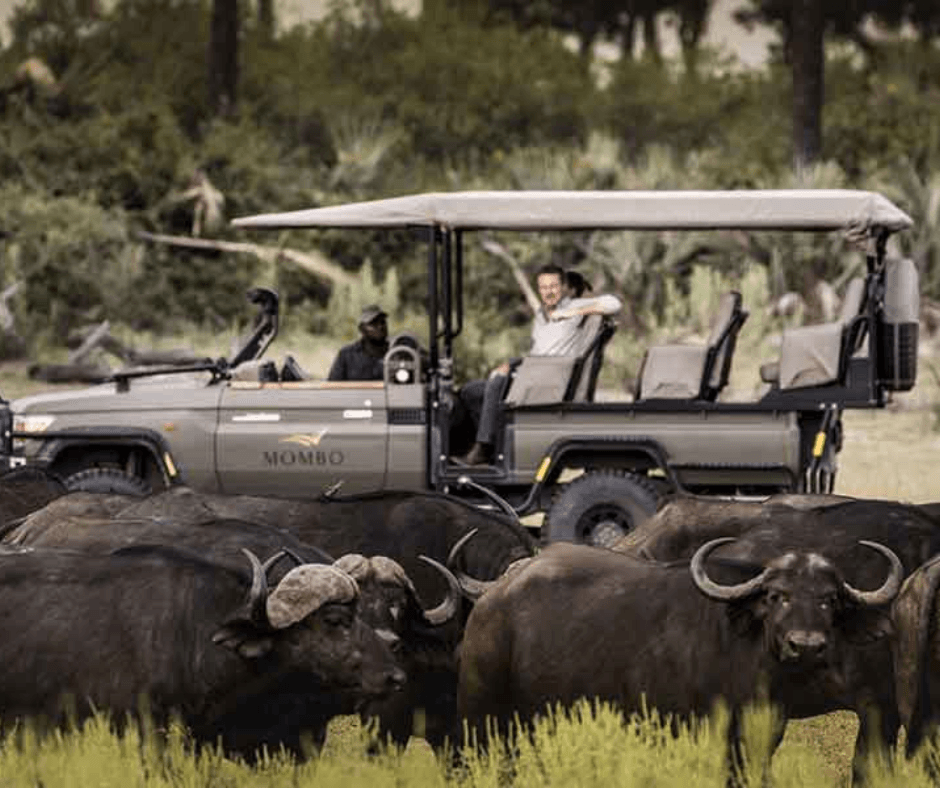
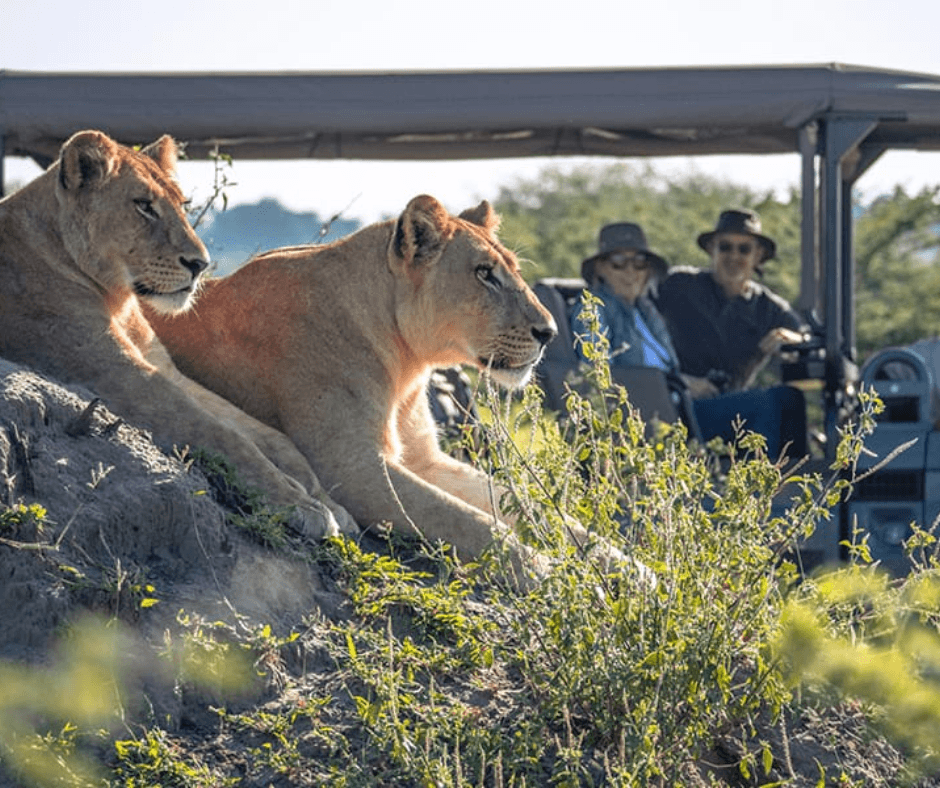
This is the classic safari experience. Open 4×4 vehicles allow clear views in every direction. You can stand slightly to take photos and feel the breeze as you move through the bush.
Open jeep safaris are common in places like the Serengeti, Maasai Mara, and private reserves around Kruger. They offer incredible wildlife viewing and photography opportunities.
You feel close to nature. Sometimes surprisingly close.
Closed Jeep Safari (Self-Drive)
Closed vehicles are often used in national parks where visitors can drive themselves. The windows open, but the vehicle provides more protection from dust and weather.
Self-drive safaris are particularly popular in Kruger National Park. They allow families or independent travelers to explore at their own pace.
There’s something thrilling about spotting an elephant around a bend and quietly pulling over to watch.
Walking Safari
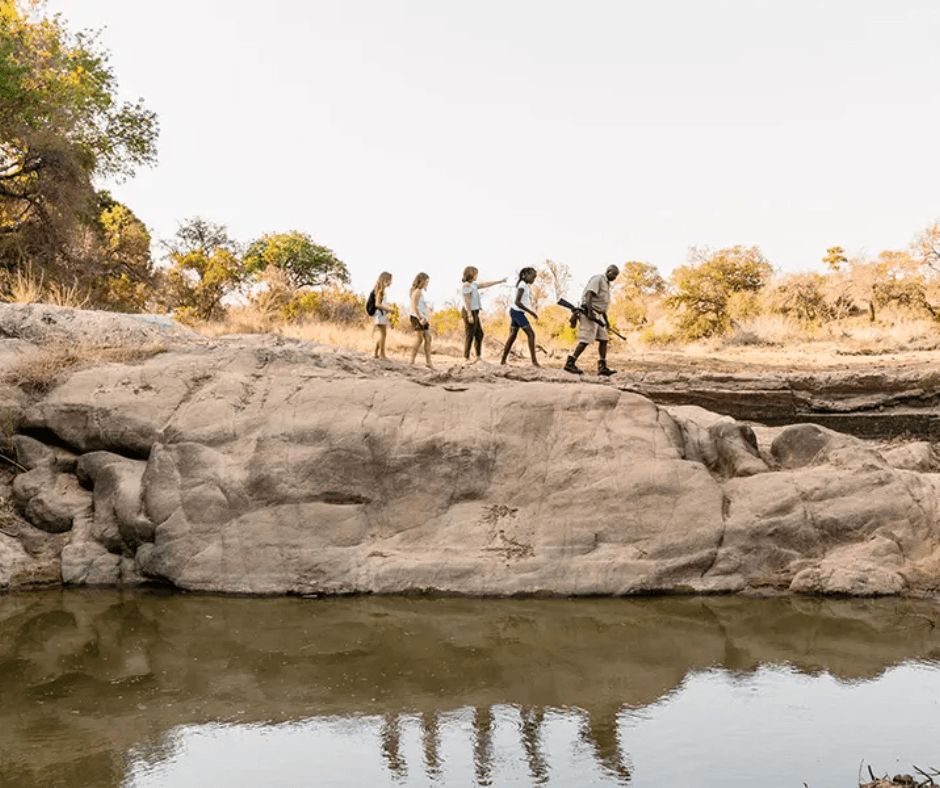
Walking safaris are one of the most immersive experiences you can have in Africa.
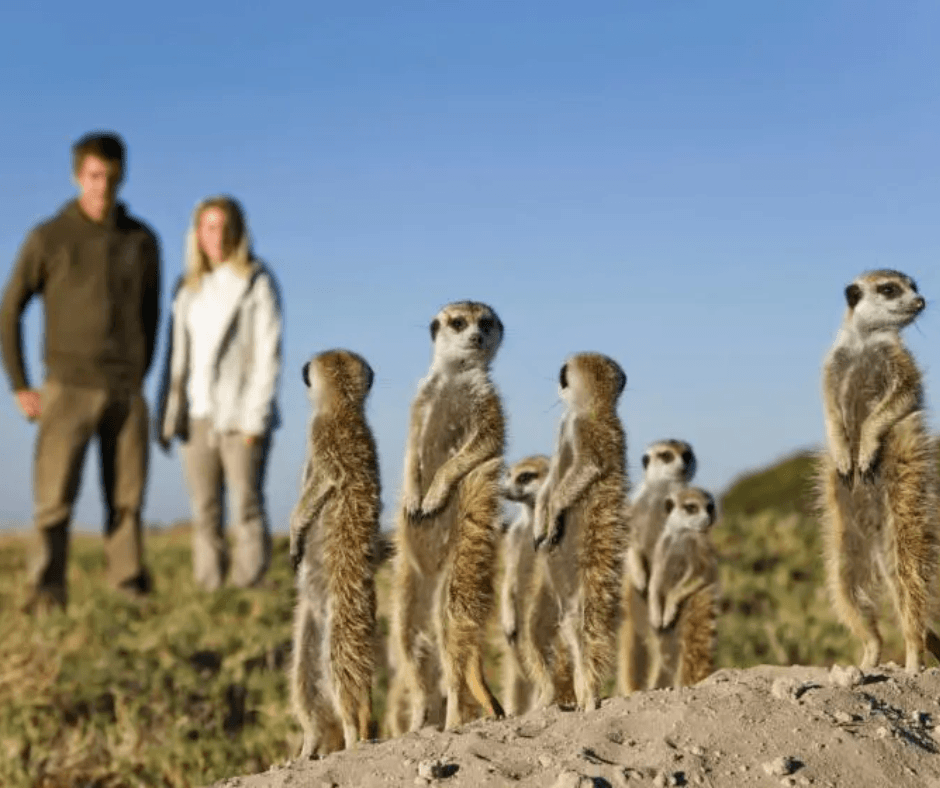
Guided by expert trackers, you move slowly through the bush on foot. Every sound becomes important. The crunch of leaves. The distant call of a bird.
Walking safaris are common in Zambia, Zimbabwe, and some private reserves near Kruger. They focus less on large predators and more on understanding the ecosystem — tracks, plants, insects, and smaller wildlife.
It’s the bush in its purest form.
Horseback Safari
Horseback safaris allow you to move quietly through landscapes where animals see you as just another creature passing through.
You might ride alongside giraffes or watch antelope grazing nearby without disturbing them.
Horseback safaris are especially popular in parts of Botswana, Kenya, and South Africa.
It’s peaceful, graceful, and surprisingly intimate.
Mokoro Safari
A mokoro is a traditional dugout canoe used in Botswana’s Okavango Delta.
Your guide gently pushes the canoe through shallow channels using a long pole. Water lilies float around you. Dragonflies hover above the water.
You might drift silently past hippos or see elephants drinking along the riverbanks.
The silence of a mokoro safari is unforgettable.
Hot Air Balloon Safari
Floating above the savanna at sunrise is one of the most spectacular safari experiences.
Hot air balloon safaris are famous in the Serengeti and Maasai Mara. As the balloon rises, the plains stretch endlessly below. Herds of wildebeest look like tiny moving dots.
When you land, many operators serve a champagne breakfast in the bush.
It’s a moment that feels almost dreamlike.
What a Day on Safari Actually Feels Like
Forget the rigid schedules of home. On safari, the animals set the clock.
The Morning Call
A soft knock on your door while it’s still dark. You wrap yourself in a blanket and sip hot coffee as the jeep’s engine hums quietly in the background. The air is cool. The sky is full of stars.
Then you head out.
The Golden Hour
This is when the magic happens.
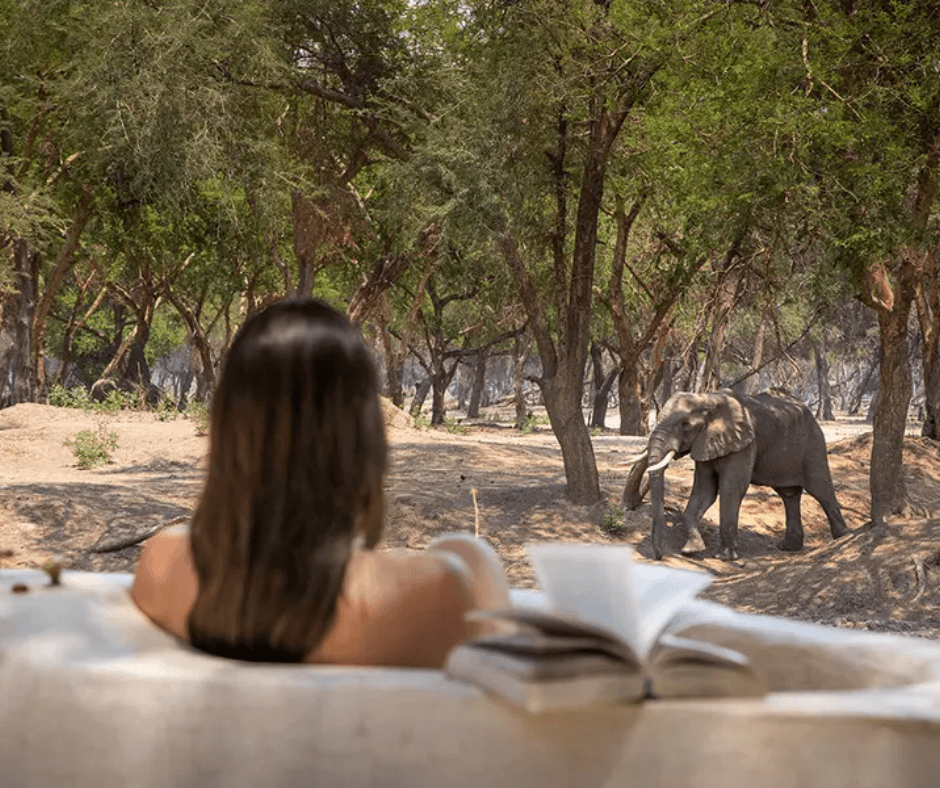
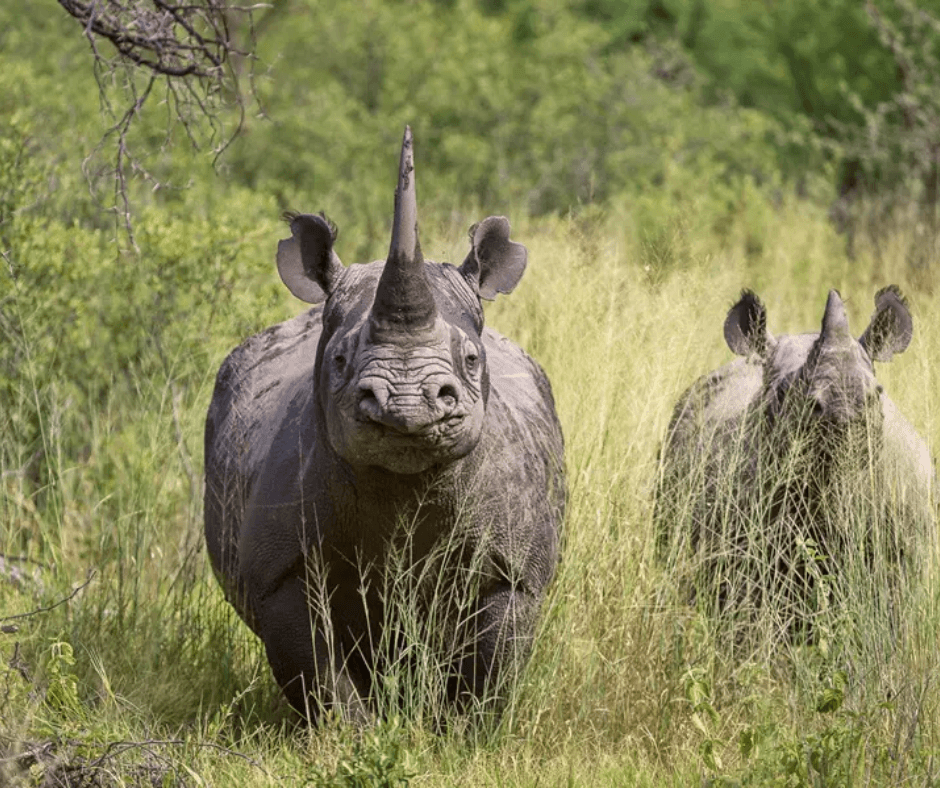
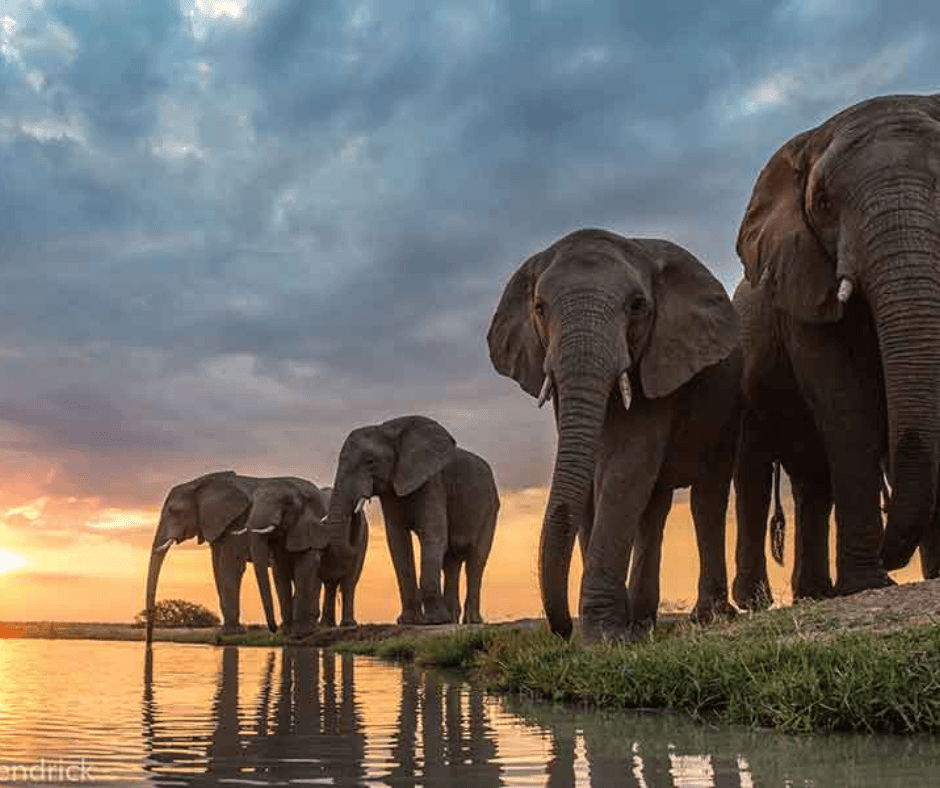
The rising sun spills golden light across the land. You might find a pride of lions grooming each other or watch an elephant herd crossing the road right in front of you.
You hear the low rumble in their chests. Dust lifts into the air with each step.
Your guide whispers quietly. Everyone leans forward.
No one wants to miss a second.
The Sundowner
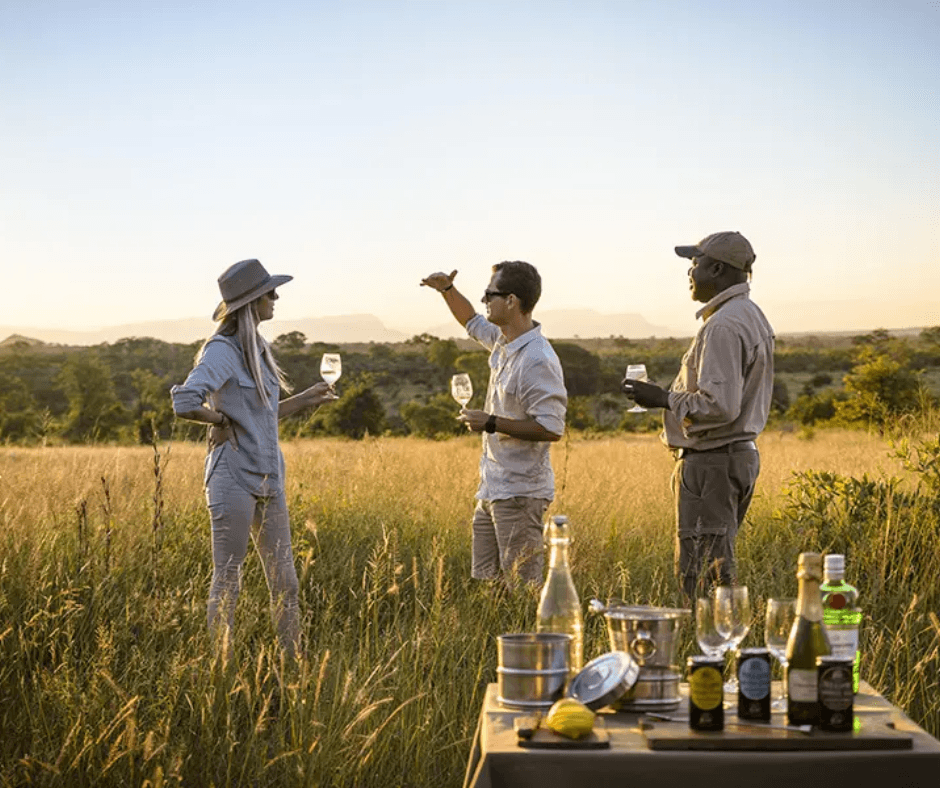
As the heat fades, the vehicle stops somewhere beautiful. Maybe on a hill. Maybe beside a river.
Your guide pulls out a cooler and pours drinks.
You stand in the open bush watching the largest red sun you’ve ever seen slowly sink below the horizon.
The sky turns orange, then pink, then deep purple.
For a moment, everything is still.
The Evening Hush
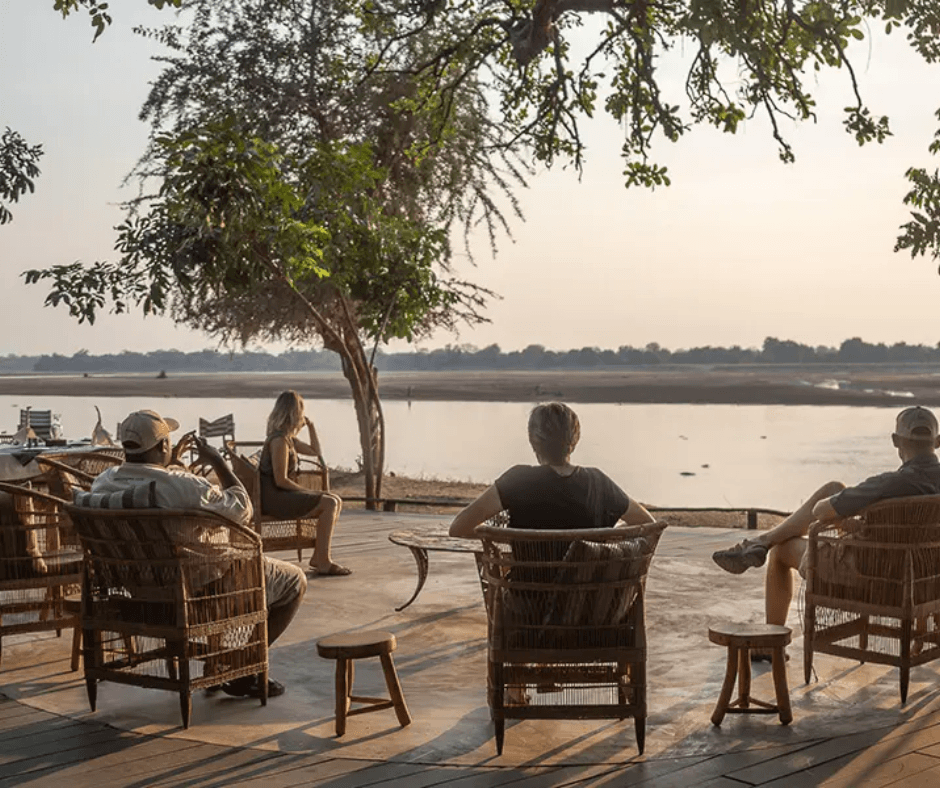
Back at the lodge, lanterns glow softly around the dining area. Dinner might be served under the stars beside a roaring fire.
The bush grows quiet.
Later, as you fall asleep, you may hear crickets singing — and perhaps the distant, haunting whoop of a hyena somewhere far away.
What to Pack for Your First Safari
Packing for safari is simpler than many people think.
Neutral clothing works best. Khaki, beige, olive, and brown help you blend into the environment.
Bring:
- A wide-brim hat
- Sunscreen
- Binoculars
- A camera with zoom lens
- Comfortable walking shoes
- A light jacket for early mornings
Temperatures change quickly in the bush, so layers are your best friend.
Why a Safari Changes You
A safari is not just a vacation.
It’s a reset.
For a few days, your phone stays in your pocket. Notifications don’t matter. The world in front of you is far more interesting than the one on your screen.
You start noticing small things. The way light moves across the grass. The rhythm of animals at a waterhole. The silence between sounds.
And when you leave, something stays with you.
You might carry red dust on your boots.
But you’ll also carry a strange, quiet peace in your heart.
If you’re ready to start dreaming about your trip, you might enjoy reading:
- Best Safari Lodges for First-Time Visitors
- What to Pack for an African Safari
- Top Wildlife Destinations in Africa
Because once you start planning a safari, something wonderful happens.
You begin to imagine yourself there.
And that’s when the adventure truly begins.